
The short answer
Yes, EverFlame Chimney Care serves all of Chelsea, Manhattan, including ZIP codes 10001, 10011 and 10199, from our Lincoln Square office about two miles away. We handle chimney sweeping, inspections, repairs, liners and rebuilding, along with dryer vent and air duct cleaning, for rowhouses, brownstones and pre-war apartment buildings.
EverFlame Chimney Care works in Chelsea from our office in Lincoln Square, about two miles away on the West Side. We serve homes and buildings in ZIP codes 10001, 10011 and 10199. That includes owners of single-family rowhouses, co-op and condo boards, and building managers responsible for boiler flues. Our certified technicians sweep and inspect chimneys, repair masonry and dampers, install liners, and clean dryer vents and air ducts. This page explains what we usually look at in Chelsea homes, how the local weather and heating rules affect your chimney, and what to expect when you book a visit.
Chimneys in Chelsea's Rowhouses and Pre-War Buildings
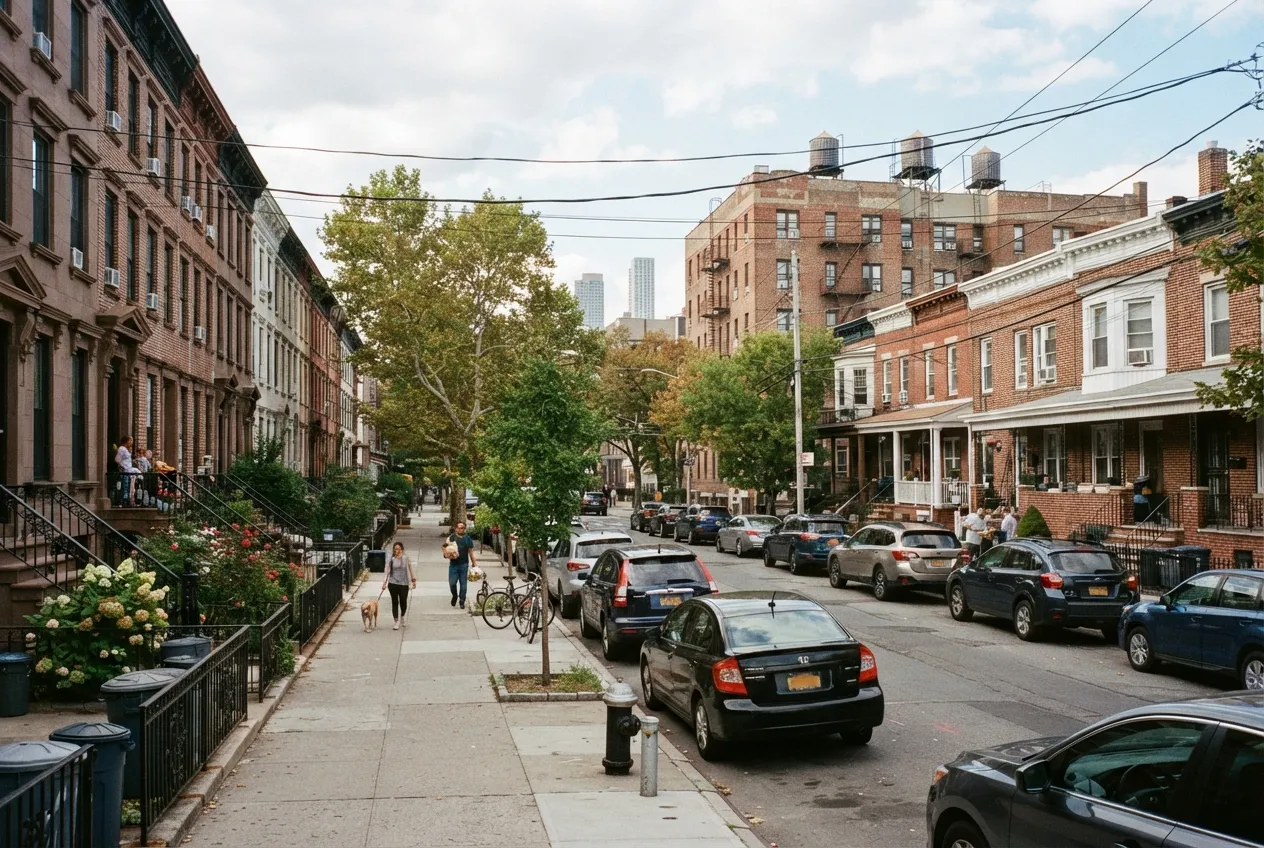
Chelsea's housing is mostly older masonry. There are brick and brownstone rowhouses, pre-war apartment buildings, and loft conversions. Many of these buildings have original fireplaces and tall brick flues. Some flues have been capped off, relined, or connected to newer equipment over the decades.
In a rowhouse, one chimney stack often holds several flues for fireplaces on different floors, sometimes next to a boiler or water heater flue. In apartment buildings, the main chimney usually serves the boiler, and individual units may have decorative fireplaces that have not been used in years. Before anyone lights a fire, we confirm which flue serves which opening and whether it is clear, lined and in working condition.
How New York Weather Wears Down Masonry
Chelsea gets cold, wet winters, rainy springs and humid summers. Water causes most chimney damage here. When water soaks into brick and mortar and then freezes, it expands. Over many winters that cracks crowns, loosens joints and makes the face of the brick flake off, a problem called spalling. Wind-driven rain from coastal storms can also get past worn flashing and stain ceilings and walls on the top floor.
A cracked crown or a missing cap lets rain run straight down the flue. That rusts dampers and fireboxes and wears away the inside of the chimney. Caps and chase covers keep out rain, birds and debris. A vapor-permeable waterproofing treatment lets brick shed water while still letting trapped moisture escape. When the damage goes too far, we repoint, repair or rebuild the affected section, sometimes from the roofline up.
Heat Season, Boiler Flues and Oil-to-Gas Conversions
New York City's heat season runs from October 1 through May 31. During those months, building owners must keep apartments heated to the city's minimum temperatures. That means a building's boiler flue runs hard for most of the year. Late summer and early fall are the best times for an inspection, before the heating system is needed every day.
If your building is converting its boiler from oil to gas, the chimney has to be evaluated as part of that work. A new liner is often needed, because gas exhaust produces acidic condensate that can corrode a masonry flue. We inspect the existing flue and recommend a liner sized for the new appliance.
The NFPA 211 standard calls for chimneys, fireplaces and vents to be inspected once a year. Professionals use three levels:
- Level 1: a routine check when nothing about the system has changed.
- Level 2: when the system changes, such as a new appliance or a switch of fuel, or when the home is sold.
- Level 3: when a hidden hazard has to be reached by opening part of the chimney or building.
Dryer Vents and Air Ducts in Chelsea Apartments
Many Chelsea apartments and rowhouses have laundry tucked into closets or kitchens. The dryer vent often runs a long distance, with several turns, before it reaches the outside. Lint builds up quickly in runs like these. According to the U.S. Fire Administration, failure to clean is the leading factor contributing to clothes dryer fires in homes. If clothes take longer to dry or the laundry area gets unusually hot, have the vent checked.
For air ducts, we follow the U.S. EPA's guidance. Cleaning makes sense when there is substantial visible mold growth, signs of vermin, or excessive dust and debris. The EPA also says duct cleaning has not been shown to prevent health problems, so we will not promise that it will. We explain what we find and what we plan to do. We only use chemical treatments after discussing them with you.
Services in Chelsea and Nearby Neighborhoods
We offer the following services throughout Chelsea. We also work in nearby Hell's Kitchen, Midtown, Times Square, East Midtown and Turtle Bay.
- Chimney Sweep
- Chimney Inspection
- Chimney Repair
- Chimney Liner Installation
- Chimney Cap & Chase Cover
- Chimney Waterproofing
- Fireplace & Damper Repair
- Chimney Rebuilding
- Dryer Vent Cleaning
- Air Duct Cleaning
ZIP codes we serve
- 10001
- 10011
- 10199