
The short answer
Yes, EverFlame Chimney Care serves the Upper East Side and nearby Carnegie Hill, Lenox Hill, Yorkville, Roosevelt Island and East Midtown from our Lincoln Square office. We handle chimney sweeping, inspections, repairs, liners and rebuilding, plus dryer vent and air duct cleaning for brownstones, townhouses and pre-war buildings.
EverFlame Chimney Care sweeps, inspects and repairs chimneys, fireplaces and vents across the Upper East Side, Manhattan. Our office is in Lincoln Square, about a mile west, so getting to you is quick. Many homes here have more than one flue: a wood-burning fireplace in the parlor, a boiler or furnace flue, and a dryer vent. Each one needs its own attention. Our certified technicians look at the whole system and explain what they find before any work starts.
Chimneys in Brownstones, Townhouses and Pre-War Buildings
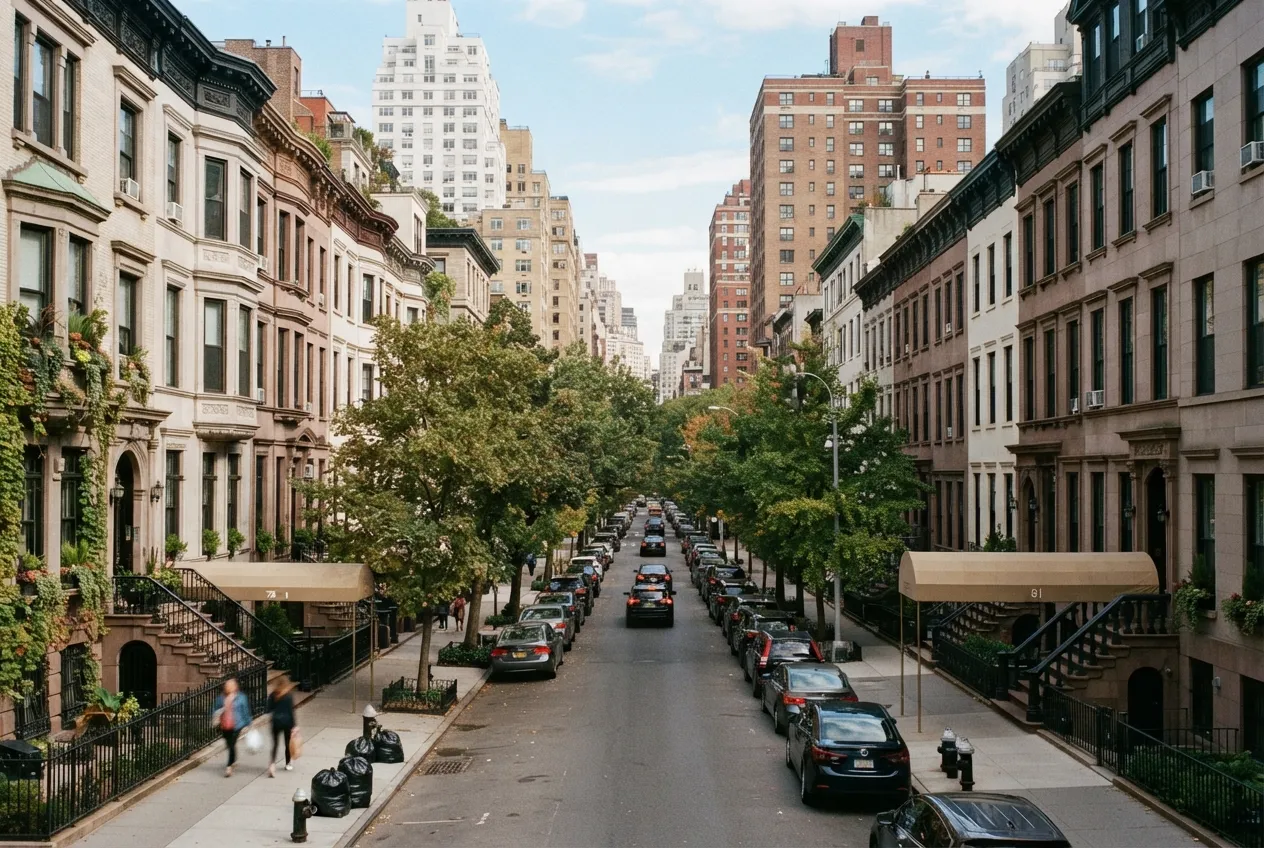
Upper East Side housing is mostly masonry: brownstone and brick rowhouses, townhouses converted to apartments, and pre-war apartment buildings with tall shared chimneys. Many of these chimneys are old, and many were built for coal or oil rather than the fireplaces and appliances in use today. Original clay tile liners crack, mortar joints wear out, and dampers rust or warp after decades of use.
The NFPA 211 standard calls for chimneys, fireplaces and vents to be inspected once a year. A Level 1 inspection covers a system that hasn't changed. A Level 2 inspection fits when you buy or sell a home, add a new appliance or switch fuels. A Level 3 inspection is for cases where a hidden hazard can only be reached by opening part of the chimney or building.
If you burn wood in a townhouse fireplace, a sweep removes creosote and lets us check the firebox, smoke chamber and damper. If the fireplace has sat unused for years, have it inspected before the first fire.
What New York Weather Does to Masonry Chimneys
Winters here bring repeated freeze-thaw cycles. Water soaks into brick and mortar, freezes, expands and pushes the masonry apart a little more each time. Nor'easters drive rain and snow sideways into chimney crowns and flashing, and humid summers keep damp masonry from drying out.
Rooftop chimneys are hard to see from the street, so the damage often shows up inside first. Look for water stains on a ceiling near the chimney breast, a musty smell from the fireplace, or flaking plaster. We fix the cause with the right repair:
- Chimney caps and chase covers to keep rain, snow, birds and debris out of the flue
- Crown and mortar repair, including repointing worn joints
- Breathable chimney waterproofing that lets masonry release moisture
- Partial or full chimney rebuilding when bricks are loose or the stack is leaning
- Fireplace and damper repair, including replacing seized or rusted dampers
Heat Season, Oil-to-Gas Conversions and Chimney Liners
New York City's heat season runs from October 1 through May 31. For that whole stretch, building owners must keep apartments heated to the city's minimum temperatures. You don't want to discover a blocked, cracked or poorly lined boiler flue in January. Late summer and early fall are good times to have the boiler chimney inspected and swept.
Many Upper East Side buildings have converted their boilers from oil to gas or plan to. When a New York City building makes that change, the chimney has to be evaluated as part of the work. A new liner is often needed, because gas exhaust produces acidic condensate that can corrode an old masonry flue from the inside. We inspect the existing flue, recommend a liner sized for the new equipment, and install it.
Dryer Vents and Air Ducts
According to the U.S. Fire Administration, failure to clean is the leading factor contributing to clothes dryer fires in homes. In townhouses and apartments, dryer vents often run long distances or bend through walls and ceilings before reaching the outside, so lint builds up quickly. It's time for a cleaning if clothes take longer to dry, the laundry area gets hot, or you notice a burning smell.
We also clean air ducts, and we'll be honest about when it helps. The U.S. EPA advises cleaning ducts when there is substantial visible mold growth, vermin, or excessive dust and debris. The EPA also notes that duct cleaning hasn't been shown to prevent health problems. It cautions consumers to research the process before responding to very cheap advertised offers and to be careful with chemical treatments. We'll tell you what we see and whether cleaning is worth it.
Where We Work on the Upper East Side
We serve homes, co-ops and buildings throughout the Upper East Side, including these ZIP codes and nearby neighborhoods:
Apartment buildings often require building management approval and set access hours for roof work. Tell us the building's rules when you book, and we'll plan the visit around them.
- ZIP codes 10021, 10028, 10044, 10065, 10075, 10128 and 10162
- Carnegie Hill, Lenox Hill and Yorkville
- Roosevelt Island and East Midtown
ZIP codes we serve
- 10021
- 10028
- 10044
- 10065
- 10075
- 10128
- 10162
Services in Upper East Side
- Chimney Sweep in Upper East Side
- Chimney Inspection in Upper East Side
- Chimney Repair in Upper East Side
- Air Duct Cleaning in Upper East Side
- Chimney Liner Installation in Upper East Side