
The short answer
EverFlame Chimney Care serves Dutch Kills, Queens (ZIP 11106) with chimney sweeping, inspection, repair, relining and rebuilding, plus air duct and dryer vent cleaning. Our certified technicians handle the freeze-thaw damage, oil-to-gas conversions and long vent runs common in the neighborhood's rowhouses and older apartment buildings.
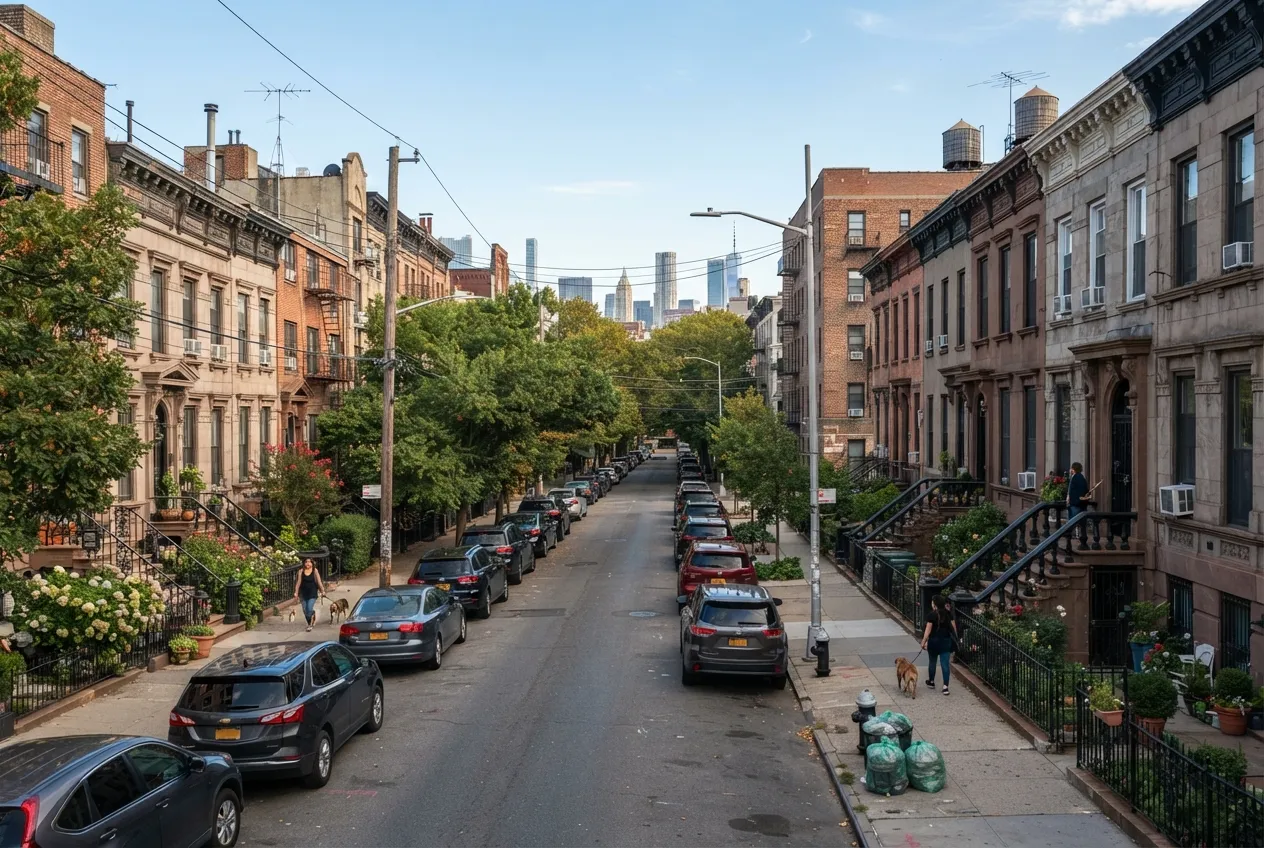
Dutch Kills is in western Queens, about 2 miles southeast of our Lincoln Square office in Manhattan. EverFlame Chimney Care serves homes and buildings throughout the 11106 ZIP code. The neighborhood mixes attached rowhouses, small multifamily buildings and pre-war apartment buildings, so we work on wood-burning fireplaces, gas boiler flues and long dryer vent runs. Our certified technicians sweep, inspect, repair and reline chimneys, and they clean air ducts and dryer vents. We explain what we find and which repairs actually need attention.
What Queens Weather Does to Dutch Kills Chimneys
New York winters bring repeated freeze-thaw cycles. Water soaks into brick and mortar joints, then freezes and expands, slowly pushing the masonry apart. Over a few seasons this shows up as cracked crowns, loose bricks, flaking brick faces and gaps in the flashing where the chimney meets the roof. Wind-driven rain from coastal storms gets into the same weak spots. In humid summers, a fireplace that was never sealed can give off a damp, musty smell.
Many homes here share walls and roof lines. A leak at one chimney can stain plaster or damage framing in ways that aren't obvious until the damage is well along. The usual first line of defense is a cap, a chase cover where needed, a sound crown and a breathable water repellent on the masonry.
- Chimney cap and chase cover installation to keep out rain, snow, debris and animals
- Chimney waterproofing with breathable sealants that let masonry dry out
- Crown, flashing and mortar joint repair before small cracks spread
- Chimney rebuilding when the masonry is too deteriorated to patch
Heating Season and Annual Inspections
New York City's heat season runs from October 1 through May 31. During that period, building owners must keep apartments heated to the city's minimum temperatures. If you run a boiler or furnace, find a blocked or deteriorated flue in late summer, before you need the heat in January.
The NFPA 211 standard calls for chimneys, fireplaces and vents to be inspected once a year. A Level 1 inspection fits most homes where nothing has changed. A Level 2 inspection applies when you add a new appliance, switch fuels, or buy or sell the property. A Level 3 inspection is for cases where a suspected hazard can only be reached by opening part of the chimney or building.
Oil-to-Gas Conversions and Chimney Liners
Some older buildings in the area still heat with oil, and owners switching to gas need to plan for the chimney. When a New York City building converts its boiler from oil to gas, the chimney has to be evaluated as part of the work. A new liner is often needed because gas exhaust produces acidic condensate that can corrode a masonry flue from the inside.
We inspect the flue, tell you whether relining is needed, and install a liner sized to the appliance. For homes that still burn wood, we also repair fireplace dampers and fireboxes.
Dryer Vents and Air Ducts in Tight Urban Spaces
Dryer vents in rowhouses and apartments often run a long way through walls, ceilings or shared shafts before reaching the outside. That makes them easy to forget and slow to clear. According to the U.S. Fire Administration, failure to clean is the leading factor contributing to clothes dryer fires in homes. If clothes take longer to dry or the laundry area feels unusually hot, check the vent.
For air ducts, we follow the EPA's guidance. Cleaning makes sense when there is substantial visible mold growth, signs of vermin, or excessive dust and debris coming from the registers. The EPA also notes that duct cleaning has not been shown to prevent health problems, so we don't sell it as a health fix. We also don't use chemical treatments without a clear reason. The agency recommends researching any company before responding to a very cheap advertised offer, which is good advice for any home service.
Services Available in Dutch Kills
Every service we offer is available to homes and buildings in 11106:
- Chimney Sweep
- Chimney Inspection
- Chimney Repair
- Chimney Liner Installation
- Chimney Cap & Chase Cover
- Chimney Waterproofing
- Fireplace & Damper Repair
- Chimney Rebuilding
- Air Duct Cleaning
- Dryer Vent Cleaning
ZIP codes we serve
- 11106