
The short answer
Yes, EverFlame Chimney Care serves Hallets Point, Queens, about 2 miles from our Lincoln Square office. We handle chimney sweeping, inspections, repairs, liners, caps, waterproofing, and rebuilding, plus dryer vent and air duct cleaning for houses and apartment buildings.
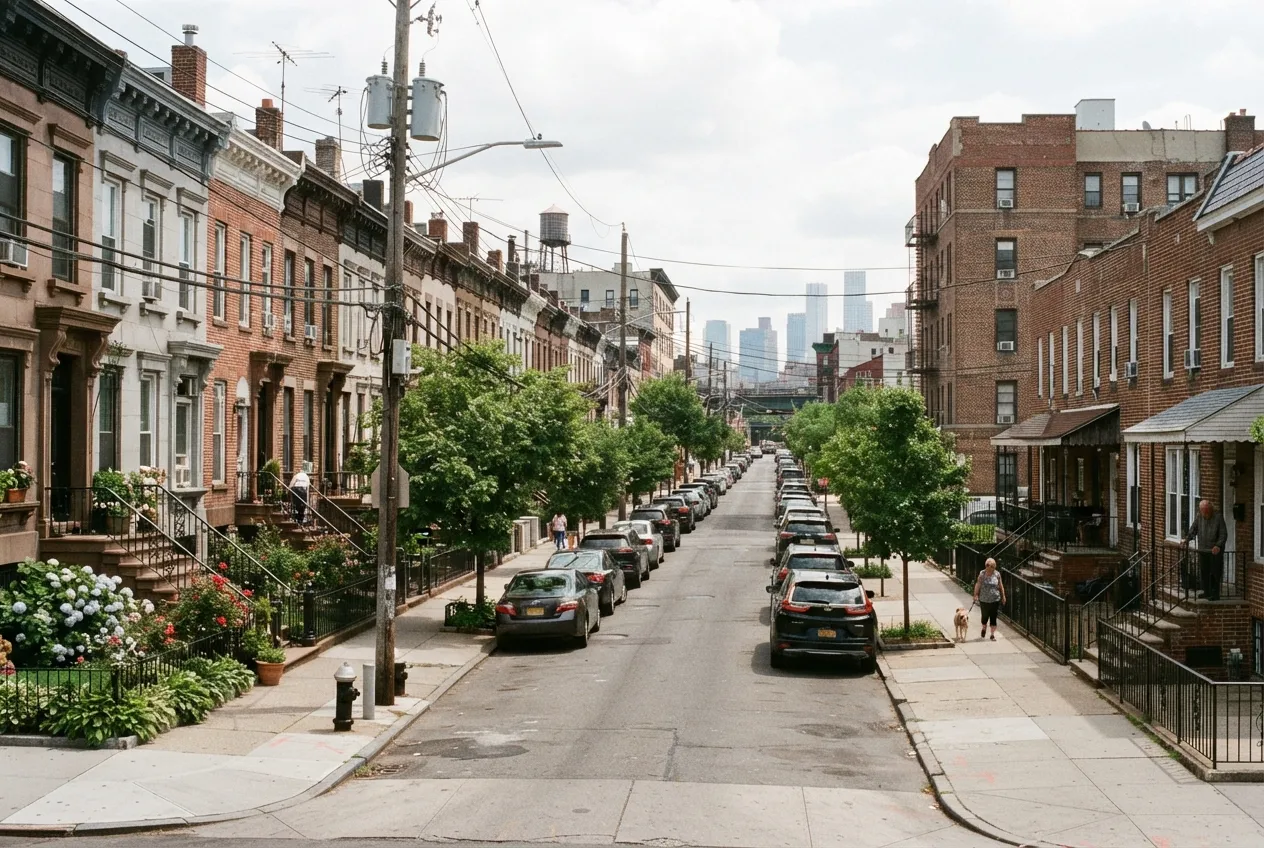
EverFlame Chimney Care works in Hallets Point from our office in Lincoln Square, Manhattan, about 2 miles to the west. The neighborhood mixes older rowhouses and detached homes with pre-war and newer apartment buildings, so the chimneys, flues, and vents we see here vary a lot. A single-family fireplace, a shared boiler flue, and a stacked dryer vent in a multi-unit building each need a different approach. Our certified technicians sweep, inspect, repair, and reline chimneys, and we clean dryer vents and air ducts. We explain what we find in plain terms and give you the choice of what to do next.
Chimney Services for Hallets Point Homes and Buildings
Most chimney problems start small: a cracked crown, a damper that won't seal, creosote building up in a flue that gets heavy winter use. We look for these early so a routine visit doesn't turn into a larger repair. Here is what we offer in the neighborhood:
- Chimney Sweep: removing soot and creosote from fireplace and appliance flues
- Chimney Inspection: annual checks and more detailed inspections when something changes
- Chimney Repair: crowns, flashing, mortar joints, and damaged brick
- Chimney Liner Installation: new liners for damaged flues and fuel conversions
- Chimney Cap & Chase Cover: keeping out rain, debris, birds, and animals
- Chimney Waterproofing: vapor-permeable treatments for exposed masonry
- Fireplace & Damper Repair: dampers, firebox panels, and smoke chambers
- Chimney Rebuilding: partial or full rebuilds when masonry is beyond repair
How the Local Climate Affects Your Chimney
New York winters bring repeated freeze-thaw cycles. Water soaks into brick and mortar, freezes, expands, and slowly pushes the masonry apart. Hallets Point sits close to the water, so wind-driven rain and damp air add to the load on exposed chimney tops. Over time this shows up as spalling brick, loose crowns, and stains or leaks on ceilings near the chimney.
A good cap, a sound crown, and waterproofing on exposed masonry keep most of that water out. Fall is a good time to check, before the season of heaviest use. New York City's heat season runs from October 1 through May 31, and boilers and fireplaces in older buildings work hard for most of that stretch.
Inspections, Fuel Conversions, and Liners
The NFPA 211 standard calls for chimneys, fireplaces, and vents to be inspected once a year. A Level 1 inspection fits when nothing about the system has changed. A Level 2 inspection is called for when you add a new appliance, switch fuels, or sell the home. A Level 3 inspection is needed only when a hidden hazard can't be reached without opening part of the chimney or building.
Many older buildings in this part of Queens have converted, or plan to convert, their boilers from oil to gas. When a New York City building makes that switch, the chimney has to be evaluated as part of the work. A new liner is often needed, because gas exhaust produces acidic condensate that can corrode a masonry flue. We can inspect the flue, explain what the conversion requires, and install a properly sized liner.
Dryer Vent and Air Duct Cleaning
According to the U.S. Fire Administration, failure to clean is the leading factor contributing to clothes dryer fires in homes. Lint builds up in long or bent vent runs, which are common in apartments and rowhouses where the dryer sits far from an outside wall. Signs of a clogged vent include clothes taking longer to dry, a hot laundry area, and a burning smell. We clean the full run from the dryer to the exterior termination and check that the outside flap opens freely.
For air ducts, we follow the U.S. EPA's guidance. Cleaning makes sense when there is substantial visible mold growth, signs of vermin, or excessive dust and debris. The EPA notes that duct cleaning has not been shown to prevent health problems, and it advises care with chemical treatments. We will tell you honestly whether your ducts need cleaning, and we only recommend chemical treatments when there is a clear reason.
Nearby Neighborhoods We Also Serve
Along with Hallets Point, our technicians work across the river in Yorkville, the Upper East Side, Lenox Hill, and Carnegie Hill, and on Roosevelt Island. If you own property in more than one of these areas, we can schedule the visits together.