
The short answer
A chimney inspection in Lincoln Square checks the flue, liner, firebox, damper and exterior masonry to confirm the system is safe to use. The NFPA 211 standard calls for an inspection once a year, with a deeper inspection when a building changes fuel, adds an appliance or is sold.
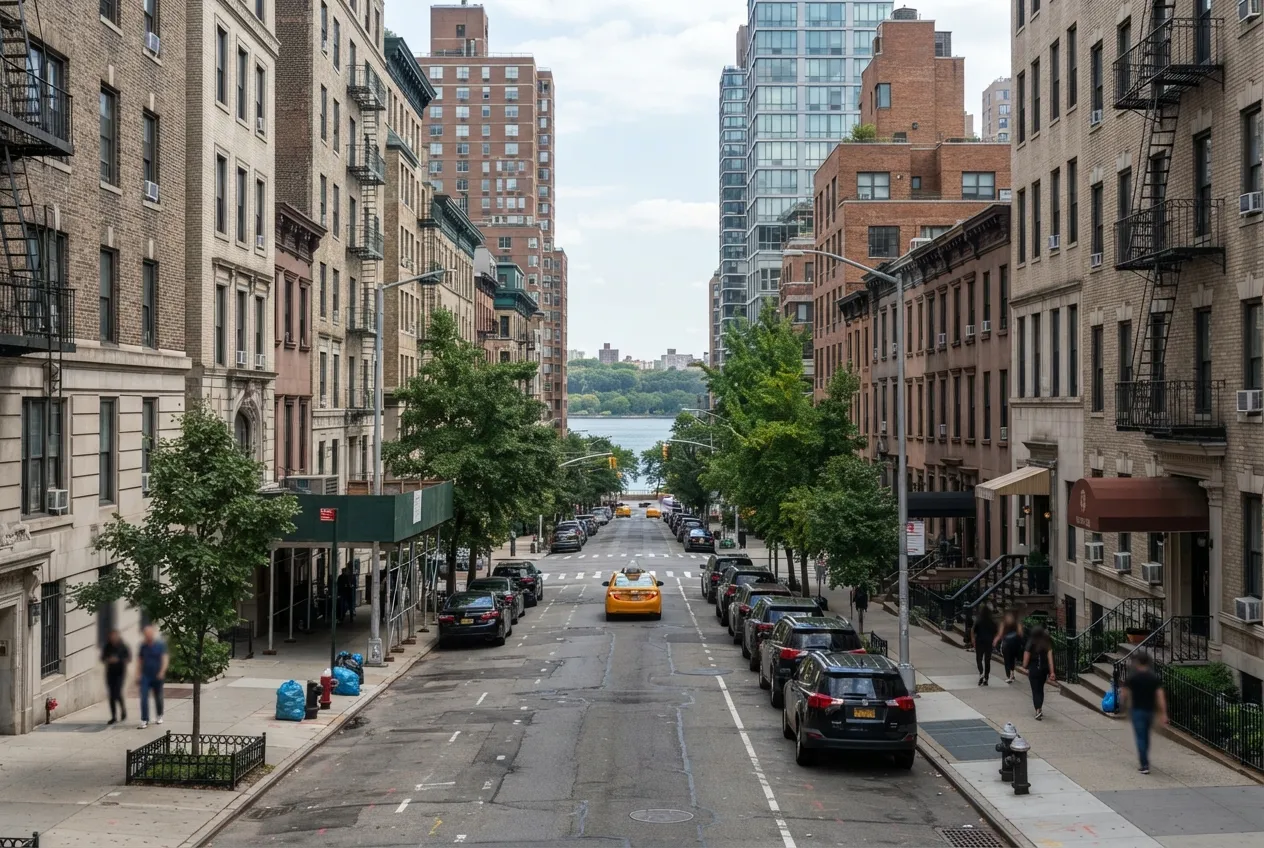
EverFlame Chimney Care is based in Lincoln Square, with our office at 30 W 71st St. Chimney inspections in ZIP codes 10023 and 10069 are close to home for us. The neighborhood mixes pre-war apartment buildings, brownstones and rowhouses, and newer residential towers. The chimneys inside them range from wood-burning fireplace flues in townhouses to masonry chimneys that vent building boilers. An inspection tells you what condition your chimney is in and whether it is safe to use. It also shows what needs attention before the next fire or heating season.
What a Chimney Inspection Covers
The NFPA 211 standard calls for chimneys, fireplaces and vents to be inspected once a year. Chimney professionals use three inspection levels. The right level depends on your chimney's history and what has changed since it was last checked.
Our certified technicians look for creosote buildup, cracked or missing flue tiles, damaged liners and deteriorated mortar. They also check for blockages from debris or nesting animals and for signs of water getting into the chimney.
- Level 1: a visual check of the accessible parts of the chimney, firebox, damper and connections. It applies when nothing about the system has changed and you use it as before.
- Level 2: a more detailed inspection that usually includes a camera scan of the flue interior. It applies when the system changes, such as a new appliance or a switch of fuel, or when the home is sold.
- Level 3: used only when a hidden hazard has to be reached by opening part of the chimney or the surrounding building.
Inspection Needs in Lincoln Square Homes
Many older brownstones and rowhouses in this part of Manhattan have original masonry fireplaces. Some have sat unused for years before a new owner wants to light them. A fireplace that has been idle can hide cracked flue tiles, loose bricks or a blocked smoke chamber, so we recommend an inspection before the first fire.
In pre-war apartment buildings, the main chimney often serves the boiler rather than individual fireplaces. When a New York City building converts its boiler from oil to gas, the chimney has to be evaluated as part of the work. A new liner is often needed because gas exhaust produces acidic condensate that can corrode a masonry flue. If your building is planning or has completed a conversion, a Level 2 inspection documents the flue's condition and whether relining is needed.
Newer buildings and renovated units can have gas fireplaces or factory-built fireplace systems. These still need their vents and connections checked, even though they burn cleaner than wood.
Timing Your Inspection Around the Heat Season
New York City's heat season runs from October 1 through May 31. During that period, building owners must keep apartments heated to the city's minimum temperatures. A boiler chimney problem found in January can put that obligation at risk. For building owners and managers, late spring and summer are the practical time to inspect, after the boiler load drops and before the next season starts.
Homeowners with wood-burning fireplaces benefit from the same timing. Scheduling in the off-season gives you time to plan repairs before you want to use the fireplace again.
What to Expect During the Visit
Our technician will lay down drop cloths and protect the area around the fireplace or boiler room. We access the chimney from inside and, where safe and permitted by the building, from the roof. In apartment buildings, we can coordinate roof and boiler room access with your super or managing agent.
After the inspection, we walk you through what we found in plain terms. We explain what is in good shape, what should be watched, and what needs repair before the chimney is used. If cleaning is all that is needed, we can usually tell you that on the spot. If repairs or a new liner are recommended, we explain why and what the work involves.
Serving Lincoln Square and Nearby Neighborhoods
Because our office is in Lincoln Square, local appointments are easy for us to reach. We also inspect chimneys in nearby Manhattan neighborhoods, including the Upper West Side, Hell's Kitchen, Midtown, Times Square and Carnegie Hill. The same building types appear across these areas: brownstones, rowhouses, pre-war apartment buildings and newer towers. That means the same inspection approach applies wherever you live nearby.
More services in Lincoln Square
- Chimney Sweep in Lincoln Square
- Chimney Repair in Lincoln Square
- Air Duct Cleaning in Lincoln Square
- Chimney Liner Installation in Lincoln Square