
The short answer
Chimney repair in Times Square covers cracked crowns, failing mortar, leaking flashing, broken dampers and damaged flue liners in pre-war apartment buildings and walk-ups. EverFlame Chimney Care starts with an inspection to find the cause. We then repair the masonry, liner or components so the chimney vents safely and stops letting water in.
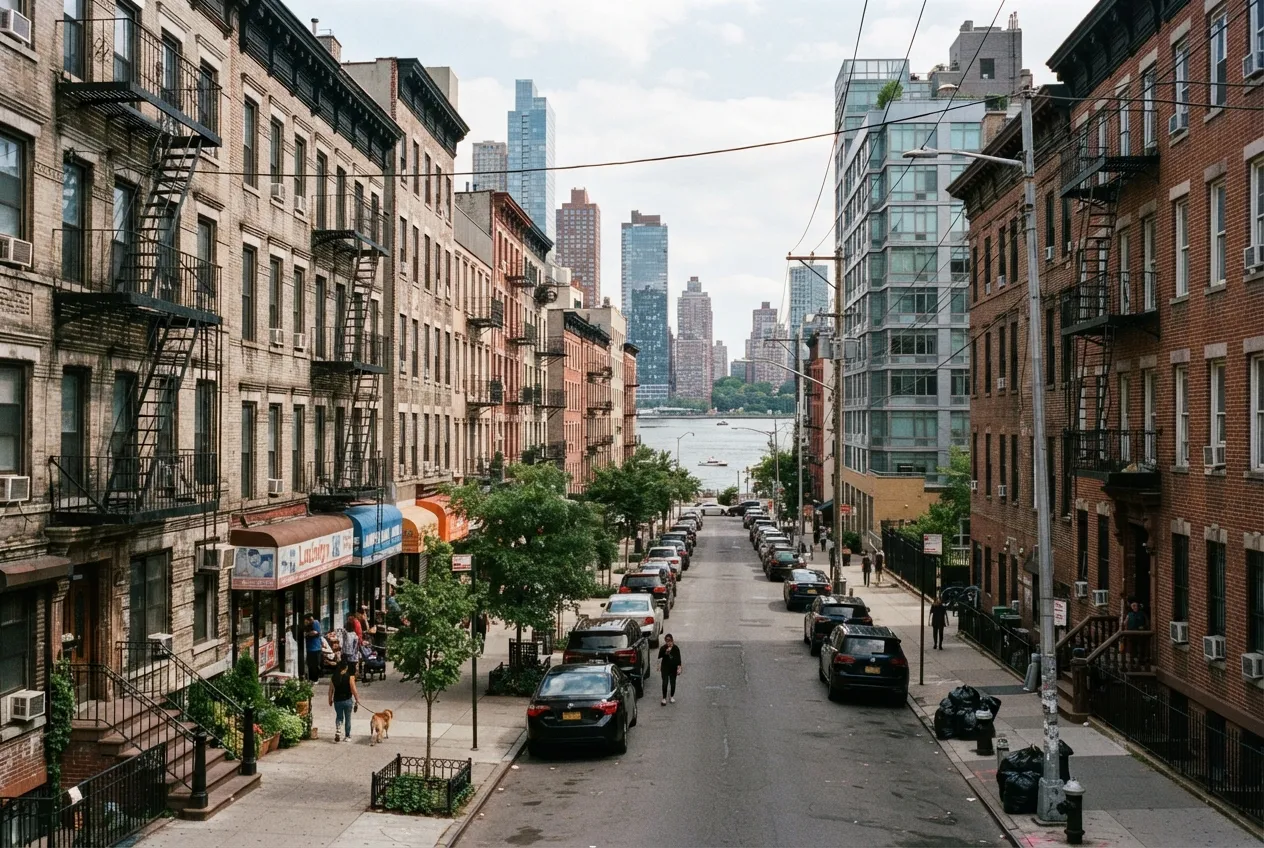
Chimney repair in Times Square usually means working on older masonry in a crowded, vertical part of the city. Most homes here are units in pre-war apartment buildings, walk-ups on the side streets, and a smaller number of converted rowhouses. Many of their chimneys serve a shared boiler, and some serve working fireplaces in individual apartments. EverFlame Chimney Care is about a mile north in Lincoln Square, so our certified technicians can reach Times Square buildings quickly. We serve ZIP codes 10020, 10103, 10110, 10111, 10112, 10153, 10165, 10173 and 10177. We find what is actually wrong, explain it plainly, and fix it.
Common Chimney Problems in Times Square Buildings
Chimneys in this part of Manhattan take a steady beating. Freeze-thaw cycles open cracks in the masonry. Wind moves through the gaps between tall buildings, and soot builds up over years of heating. Many chimneys here rise from low or mid-rise roofs that are hard to see from the street. Damage can go unnoticed until water stains show up on a ceiling or a top-floor wall.
These are the problems we see most often:
- Cracked or crumbling chimney crowns that let rain and snowmelt into the flue
- Eroded mortar joints and spalling brick on exposed stacks
- Failed flashing where the chimney meets the roof, causing leaks into top-floor apartments
- Damaged or missing chimney caps that let in debris, water and birds
- Cracked, deteriorated or missing flue liners
- Stuck, rusted or broken fireplace dampers
- Deteriorated firebox brick and mortar in apartments with working fireplaces
How We Approach a Repair
Every repair starts with an inspection. The NFPA 211 standard calls for chimneys, fireplaces and vents to be inspected once a year, and it describes three levels. A Level 1 inspection fits a system where nothing has changed. A Level 2 inspection is called for when the system changes, such as a new appliance or a fuel switch, or when the home is sold. A Level 3 inspection is used when a hidden hazard can only be reached by opening part of the chimney or the building.
After the inspection, we explain what we found, what needs repair now and what can be watched. We show photos when we can. Then we do the work: repointing mortar, rebuilding or sealing crowns, replacing flashing and caps, repairing fireboxes, replacing dampers and relining flues. In apartment buildings, we coordinate roof access and scheduling with building management. That keeps disruption to residents low.
Oil-to-Gas Conversions and Flue Liners
Many Manhattan buildings have switched or are switching boilers from oil to gas. When a New York City building converts its boiler from oil to gas, the chimney has to be evaluated as part of the work. A new liner is often needed. Gas exhaust produces acidic condensate, and that condensate can corrode an unlined or poorly lined masonry flue over time.
If your building is planning a conversion, or has already converted and is showing masonry damage, we can inspect the flue. We will tell you whether relining is needed and install a liner sized for the new appliance. Getting the liner right protects the masonry and helps exhaust leave the building as it should.
Timing Repairs Around Heat Season
New York City's heat season runs from October 1 through May 31. During that time, building owners must keep apartments heated to the city's minimum temperatures. A boiler chimney that needs major repair in January can create a real problem for owners and tenants.
For that reason, late spring and summer are the best times to handle masonry rebuilding, relining and crown work on boiler chimneys. If something fails during heat season, we will help you understand which repairs are urgent for safe venting and which can wait for warmer weather.
Nearby Neighborhoods We Serve
Besides Times Square, EverFlame Chimney Care repairs chimneys in Midtown, East Midtown, Turtle Bay, Hell's Kitchen and Lincoln Square. Housing across these neighborhoods ranges from pre-war apartment buildings to brownstones and rowhouses. Our technicians are used to the access limits and older masonry common throughout this part of Manhattan.
More services in Times Square
- Chimney Sweep in Times Square
- Chimney Inspection in Times Square
- Air Duct Cleaning in Times Square
- Chimney Liner Installation in Times Square