
The short answer
EverFlame Chimney Care repairs masonry chimneys in Carnegie Hill brownstones, townhouses and pre-war buildings, including crowns, mortar joints, flashing, dampers and flue liners. We inspect first, explain what we find, and repair only what the chimney needs to work safely.
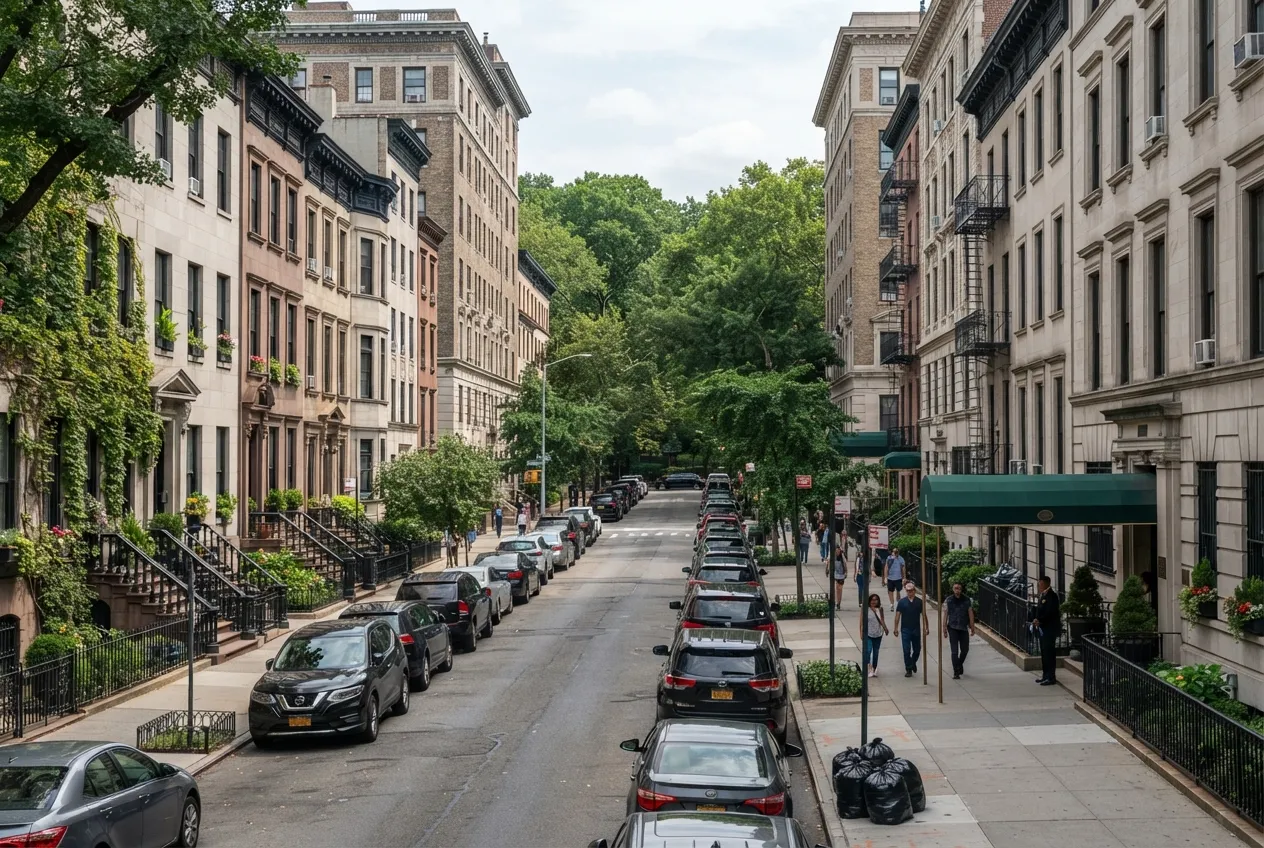
Carnegie Hill has many brownstones, limestone and brick townhouses, rowhouses, and pre-war apartment buildings. Many still have working fireplaces, and nearly all have masonry chimneys that have weathered decades of New York winters. EverFlame Chimney Care repairs those chimneys from the crown down to the firebox. Our office in Lincoln Square is about a mile east of the neighborhood, so Carnegie Hill is close to home for our crews. Our certified technicians start by finding out what is actually wrong. Then they explain what needs fixing now and what can wait, and they make the repair to fit the way your chimney was built.
Common Chimney Problems in Carnegie Hill Homes
Older Manhattan chimneys usually wear out in the same places. Water gets in through a cracked crown or loose flashing. Freeze-thaw cycles push mortar out of the joints. Over time, the flue tile or the original unlined masonry inside starts to break down. You may not notice until you see a stain on a top-floor ceiling, find flakes of brick in the firebox, or smell a damp, smoky odor on humid days.
In townhouses and rowhouses, chimneys often share walls with the house next door and can be hard to reach from the street. That is why a careful inspection matters before anyone quotes a repair.
- Cracked or crumbling chimney crowns
- Missing or eroded mortar joints that need repointing
- Leaking flashing where the chimney meets the roof
- Spalling brick from water damage
- Damaged, rusted or stuck fireplace dampers
- Cracked, deteriorated or missing flue liners
- Broken or missing chimney caps that let in rain and animals
How We Approach a Repair
Every repair starts with an inspection. The NFPA 211 standard calls for chimneys, fireplaces and vents to be inspected once a year. Chimney professionals use three levels of inspection. Level 1 is for a system that hasn't changed. Level 2 applies when something changes, such as a new appliance, a switch of fuel, or the sale of the home. Level 3 applies when a hidden hazard can only be reached by opening part of the chimney or building. We tell you which level fits your situation and why.
After the inspection, we walk you through what we found, often with photos or camera footage from inside the flue. We separate urgent safety problems from maintenance items, so you can plan the work instead of being surprised by it. Then we make the repair with materials that suit the chimney's original masonry.
Oil-to-Gas Conversions and Chimney Liners
Many pre-war buildings and larger townhouses in the area have converted, or are planning to convert, their boilers from oil to gas. When a New York City building makes that change, the chimney has to be evaluated as part of the work. A new liner is often needed, because gas exhaust produces acidic condensate that can corrode a masonry flue from the inside.
We inspect the existing flue and confirm whether it is sized and lined correctly for the new appliance. If it isn't, we install a liner. Coordinating this with the heating contractor early can help keep a conversion on schedule.
Timing Repairs Around Heat Season
New York City's heat season runs from October 1 through May 31. During those months, building owners must keep apartments heated to the city's minimum temperatures. If you own a multi-unit building, you don't want to find a flue problem in November. Late spring and summer are good times to schedule inspections and any masonry or liner work, so the heating system is ready before the cold weather comes.
Fireplace owners benefit from the same timing. Repairing a crown or flashing before the fall storms keeps water out of the chimney all winter.
Serving Carnegie Hill and Nearby Neighborhoods
Along with Carnegie Hill, we repair chimneys throughout the Upper East Side, Yorkville, Lenox Hill and Roosevelt Island, and across town on the Upper West Side. Whether you have a single fireplace in a brownstone parlor or a boiler flue serving a whole apartment building, we'll look at the full system and give you a clear plan for repairing it.
More services in Carnegie Hill
- Chimney Sweep in Carnegie Hill
- Chimney Inspection in Carnegie Hill
- Air Duct Cleaning in Carnegie Hill
- Chimney Liner Installation in Carnegie Hill