
The short answer
Under the NFPA 211 standard, chimneys, fireplaces and vents should be inspected once a year, and a deeper inspection is called for when the system changes or the home is sold. EverFlame Chimney Care performs Level 1, 2 and 3 chimney inspections for homes and buildings throughout Hell's Kitchen.
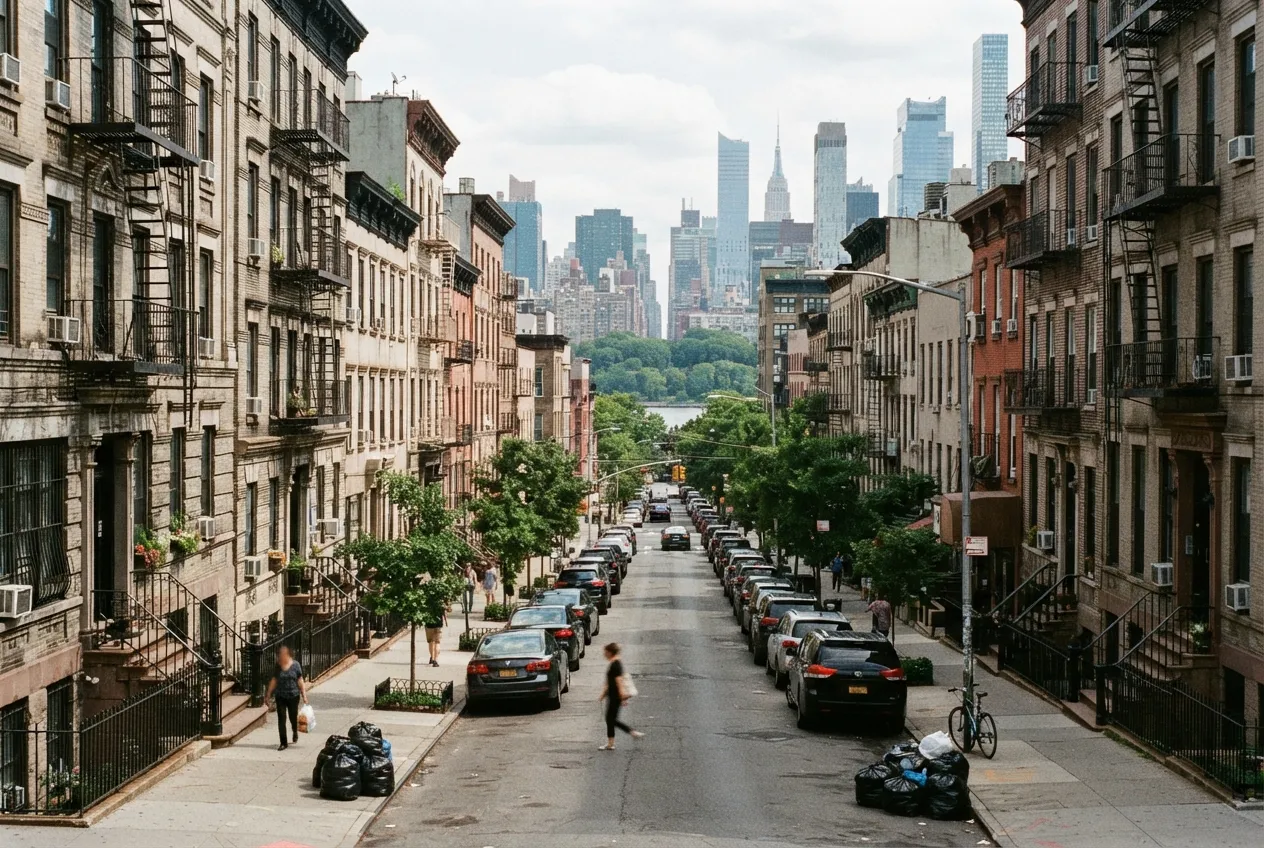
Hell's Kitchen has a lot of older masonry: walk-up tenements, rowhouses, brownstones and pre-war apartment buildings, many with chimneys that have served fireplaces, coal stoves, oil boilers and gas boilers over the decades. A chimney that has been through that many changes can hide cracked flue tiles, missing liner sections, loose mortar or blockages that never show from inside the apartment. EverFlame Chimney Care sends certified technicians from our Lincoln Square office, about a mile northeast, to inspect chimneys in ZIP codes 10018, 10019 and 10036. We look at the whole system, explain what we find in plain terms and tell you what, if anything, needs attention.
Why Hell's Kitchen Chimneys Need a Closer Look
Many buildings in the neighborhood were put up long before modern liners and venting rules. Over time, a single flue may have carried smoke from a wood fireplace, then exhaust from an oil burner, then gas exhaust after a conversion. Each fuel is hard on masonry in its own way, and the damage builds up inside the flue where no one sees it.
Tight lot lines are another factor. Rowhouses and walk-ups often share party walls, and a chimney may run alongside a neighbor's flue or sit just a few feet below a taller building's windows. Cracks, gaps between flue tiles or a poor cap can let smoke, carbon monoxide or water go where it shouldn't. An inspection is how you find those problems before they turn into a fire, a leak or a draft issue.
The Three Inspection Levels
Chimney professionals use three levels of inspection, and the right one depends on what has happened with your system. We'll recommend a level after a short conversation about your home, and explain the reason before any work starts.
- Level 1: For a chimney that is in regular use and hasn't changed. We check the readily accessible parts of the fireplace, flue, smoke chamber and exterior, and confirm there are no obstructions or combustible deposits.
- Level 2: For when something changes, such as a new appliance, a switch of fuel, or a home sale. This adds a camera scan of the flue interior plus a look at accessible attics, crawl spaces and the roof.
- Level 3: For when a hidden hazard is suspected and the only way to reach it is to open part of the chimney or the building, such as a section of wall or chimney chase. We only recommend this when a Level 1 or 2 inspection points to a problem that can't be confirmed any other way.
Oil-to-Gas Conversions and Liners
Many Manhattan buildings have switched their boilers from oil to gas. When a New York City building makes that conversion, the chimney has to be evaluated as part of the work. Gas exhaust produces acidic condensate that can corrode an unlined or tile-lined masonry flue, so a new liner is often needed.
If your building has converted, or is planning to, a Level 2 inspection gives you a clear picture of the flue's condition and whether the existing liner is suitable for gas. If you aren't sure whether a past conversion included a proper liner, an inspection is a sensible place to start.
Timing Around Heat Season
New York City's heat season runs from October 1 through May 31, and building owners must keep apartments heated to the city's minimum temperatures during that time. A chimney problem found in January can mean a boiler that can't run safely when tenants need heat most.
For that reason, late spring and summer are good times to schedule an inspection for a building with a central boiler. If repairs or a liner are needed, there is time to handle them before October. Homeowners with wood-burning fireplaces benefit from the same approach: inspect before you light the first fire of the year.
What You Get After the Inspection
When we finish, we walk you through what we saw, including photos or camera footage when a Level 2 or 3 inspection is done. We separate urgent safety issues from items that can be planned for later, and we tell you plainly if everything looks sound.
We also serve nearby Midtown, Times Square, Lincoln Square, East Midtown and Turtle Bay, so if you own or manage property in more than one of these neighborhoods, we can coordinate inspections.
More services in Hell’s Kitchen
- Chimney Sweep in Hell’s Kitchen
- Chimney Repair in Hell’s Kitchen
- Air Duct Cleaning in Hell’s Kitchen
- Chimney Liner Installation in Hell’s Kitchen