
The short answer
A chimney sweep removes soot, creosote and debris from your flue so smoke and exhaust leave the building safely. The NFPA 211 standard calls for chimneys, fireplaces and vents to be inspected once a year, so most Hell's Kitchen homeowners pair a yearly inspection with a sweep before heat season starts.
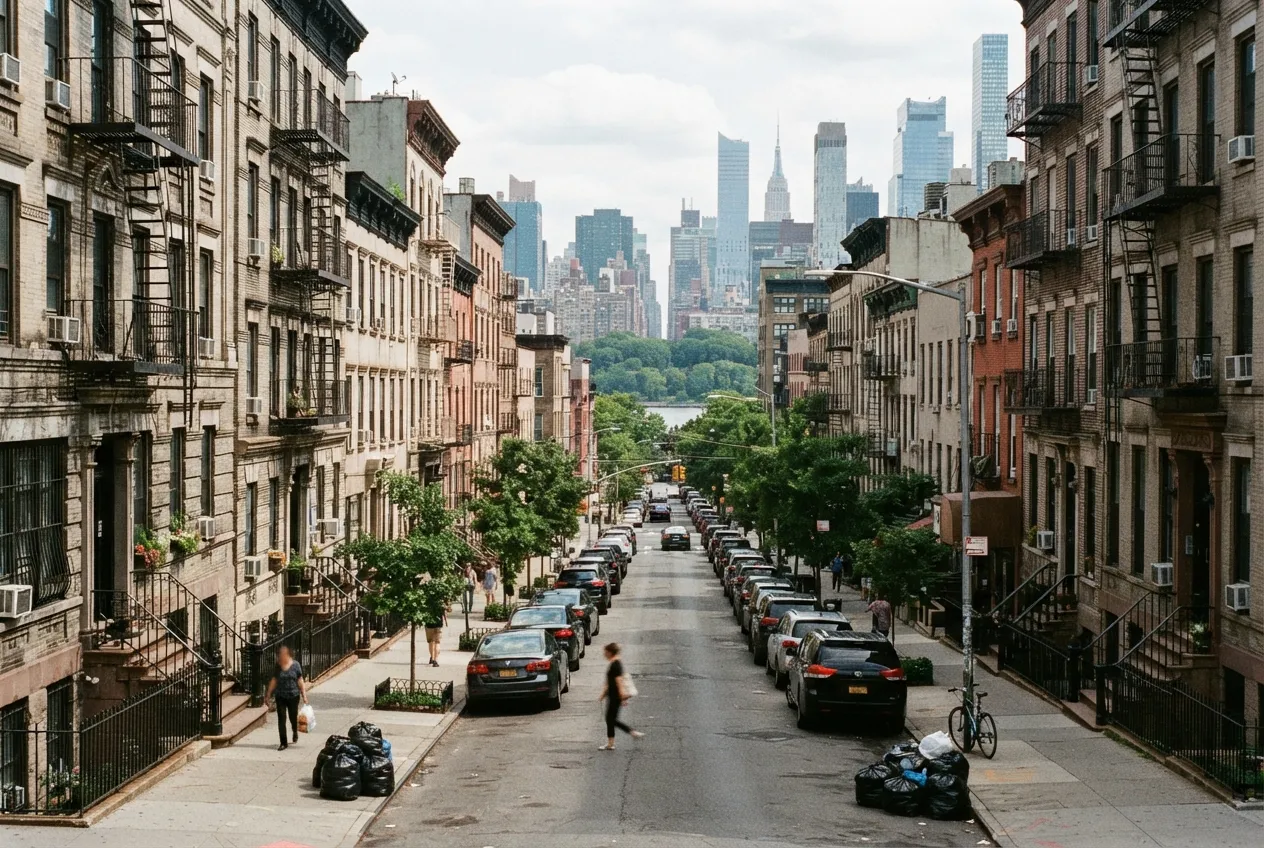
Hell's Kitchen has walk-up rowhouses, brownstones, pre-war apartment buildings and newer mid-rise construction, often on the same street. Many of these buildings still have working fireplaces, boiler flues or both, and some of those chimneys have served several generations of heating equipment. EverFlame Chimney Care sends certified technicians from our Lincoln Square office, about a mile northeast, to sweep and inspect chimneys across Hell's Kitchen in ZIP codes 10018, 10019 and 10036. This page covers what a sweep involves here, how it connects to annual inspections, and what to plan for if your building is changing fuels.
Why Hell's Kitchen Chimneys Need Regular Sweeping
Older masonry chimneys in brownstones and pre-war buildings were built for coal or wood, and many were later adapted for oil or gas. Each change leaves something behind. Wood fires leave creosote, a tar-like residue that can ignite inside the flue. Oil burners leave soot that narrows the passage. Gas appliances produce moisture that can loosen mortar and drop debris to the bottom of the chimney.
Tall, narrow buildings with long flue runs are also prone to blockages from nesting birds, fallen brick and leaves that collect near the top. A blocked or heavily coated flue can push smoke or carbon monoxide back into living space instead of venting it outdoors. Regular sweeping clears that buildup before it turns into a fire hazard or a drafting problem.
What Happens During a Sweep
We work cleanly, which matters in apartments and brownstone parlors with finished floors and furniture close to the hearth. A typical visit includes the following steps:
- Laying drop cloths and sealing the fireplace opening to contain soot
- Brushing the flue from top, bottom or both, depending on roof access
- Removing creosote, soot and debris from the smoke chamber, smoke shelf and firebox
- Checking the damper to confirm it opens, closes and seals
- Looking for cracked flue tiles, missing mortar or a damaged chimney cap
- Explaining what we found and whether any repair is worth considering
Annual Inspections and the Three Inspection Levels
The NFPA 211 standard calls for chimneys, fireplaces and vents to be inspected once a year, whether or not you use them often. Chimney professionals use three levels of inspection. A Level 1 inspection fits when nothing about the system has changed. A Level 2 inspection is called for when something does change, such as a new appliance or a switch of fuel, or when the home is sold. A Level 3 inspection is reserved for cases where a hidden hazard can only be reached by opening part of the chimney or the building.
For most Hell's Kitchen homeowners, a Level 1 inspection combined with a sweep each year is the routine. If you are buying or selling a rowhouse or brownstone, a Level 2 inspection gives both sides a clear picture of the chimney's condition.
Oil-to-Gas Conversions and Chimney Liners
Many Manhattan buildings have moved their boilers from oil to gas. When a New York City building makes that conversion, the chimney has to be evaluated as part of the work. A new liner is often needed because gas exhaust produces acidic condensate that can corrode a masonry flue over time.
If your building is planning a conversion, or already finished one without a liner, a sweep and inspection is a practical first step. Clearing years of oil soot lets the technician see the actual condition of the flue walls and recommend whether a liner makes sense.
Scheduling Around Heat Season
New York City's heat season runs from October 1 through May 31, when building owners must keep apartments heated to the city's minimum temperatures. That makes late spring and summer the easiest time to sweep a boiler chimney, since the system can be shut down without affecting tenants. For fireplaces, early fall works well so the flue is clear before the first fire of the year.
We also serve nearby Midtown, Times Square, Lincoln Square, East Midtown and Turtle Bay, so we are used to coordinating with building supers, roof access rules and freight elevator schedules.
More services in Hell’s Kitchen
- Chimney Inspection in Hell’s Kitchen
- Chimney Repair in Hell’s Kitchen
- Air Duct Cleaning in Hell’s Kitchen
- Chimney Liner Installation in Hell’s Kitchen