
The short answer
Lenox Hill chimneys most often need crown, mortar, flashing, damper, and liner repairs, which are usually found during an annual inspection. EverFlame Chimney Care inspects the chimney first, shows you what we found, and repairs the problems that affect safety and water entry before heating season starts.
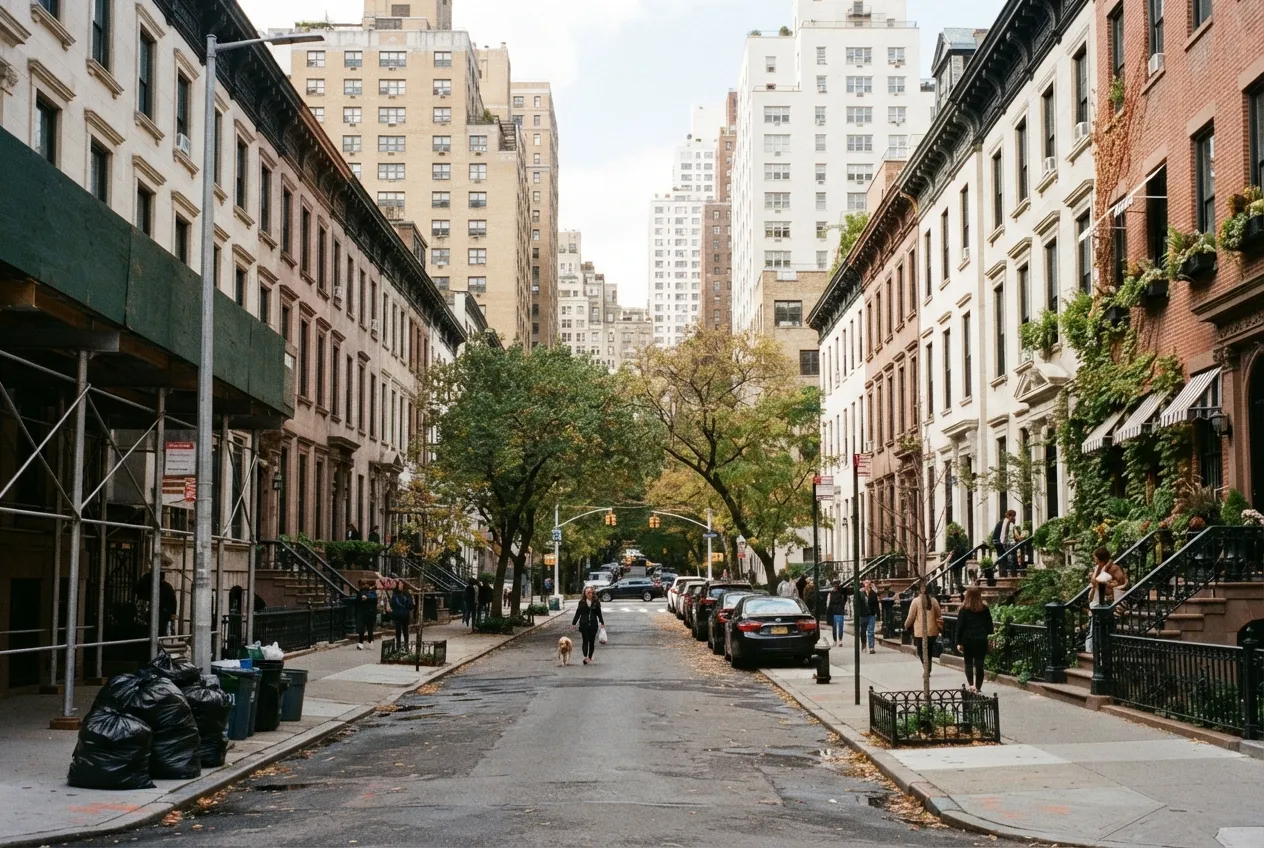
Lenox Hill's townhouses, brownstones, and pre-war apartment buildings have masonry chimneys that have carried smoke and exhaust through many New York winters. Freeze-thaw cycles, wind-driven rain, and acidic flue gases slowly wear down brick, mortar, crowns, and liners. EverFlame Chimney Care repairs chimneys across Lenox Hill and the 10021, 10044, 10065, 10075, and 10162 ZIP codes. Our office in Lincoln Square is about a mile away. Our certified technicians find what is actually wrong, explain it in plain terms, and fix it so your fireplace or heating system can vent safely.
Common Chimney Problems in Lenox Hill Homes
Most chimneys in the neighborhood are brick and mortar, and many of them are decades old. Water does the most damage. A cracked crown or missing cap lets rain into the flue. Worn mortar joints let moisture into the brick, and when that moisture freezes it cracks and flakes the face of the brick. Inside the home, the damage shows up as stained ceilings near the chimney breast, a musty smell from the fireplace, or flakes of masonry on the hearth.
These are the repairs we handle most often in Lenox Hill:
- Rebuilding or resealing cracked chimney crowns
- Repointing deteriorated mortar joints and replacing spalled brick
- Repairing or replacing flashing where the chimney meets the roof
- Installing or replacing chimney caps to keep out rain, debris, and animals
- Fixing damaged dampers, including top-sealing damper options
- Repairing firebox brick and smoke chamber surfaces
- Relining flues that are cracked or sized wrong for the appliance
Oil-to-Gas Conversions and Chimney Liners
Many Lenox Hill buildings have switched, or plan to switch, from oil heat to gas. When a New York City building converts its boiler from oil to gas, the chimney has to be evaluated as part of the work. A new liner is often needed. Gas exhaust produces acidic condensate, and that condensate can corrode an unlined or old masonry flue over time.
Changing fuel also counts as a change to the venting system. Under the NFPA 211 standard, that calls for a more detailed Level 2 inspection. We review the flue's condition and size, then recommend a liner that suits the new appliance. That way your boiler contractor and building management have the chimney information they need to move the project forward.
Working in Townhouses and Apartment Buildings
Chimney repair here usually takes some coordination. Townhouse and brownstone owners need roof access and a plan to protect interior finishes around the fireplace. In co-ops and condominiums, repairs often go through building management or the board. Roof work may also need to fit around other residents and the superintendent's schedule.
We describe the scope of work in writing so you can share it with your board, managing agent, or neighbors. Inside your home, we cover floors and furnishings and contain soot and debris while we work.
How a Chimney Repair Visit Works
Every repair starts with an inspection, because the visible symptom is not always where the problem is. A ceiling stain might come from the crown, the flashing, or the brick itself. Our technicians check the chimney from the roof and from inside. When needed, they run a camera through the flue to look at the liner and joints you can't see.
After that, we walk you through what we found, which repairs affect safety, which ones affect water damage, and which ones can wait. We use photos where they help. Once you approve the work, we complete it and show you the finished result.
Planning Repairs Around Heating Season
New York City's heat season runs from October 1 through May 31. During those months, building owners must keep apartments heated to the city's minimum temperatures. A chimney that serves a boiler can't easily be taken out of service in January, so late spring and summer are the practical times for liner work and major masonry repairs.
The NFPA 211 standard calls for chimneys, fireplaces, and vents to be inspected once a year. Scheduling that inspection early gives you time to finish any repairs before the first cold night. We also serve nearby Roosevelt Island, the Upper East Side, Carnegie Hill, Yorkville, and East Midtown.
More services in Lenox Hill
- Chimney Sweep in Lenox Hill
- Chimney Inspection in Lenox Hill
- Air Duct Cleaning in Lenox Hill
- Chimney Liner Installation in Lenox Hill