
The short answer
A chimney sweep removes soot, creosote and debris from your flue so smoke and exhaust leave your home safely. Midtown homeowners and building owners should have chimneys inspected once a year, ideally before New York City's heat season starts on October 1.
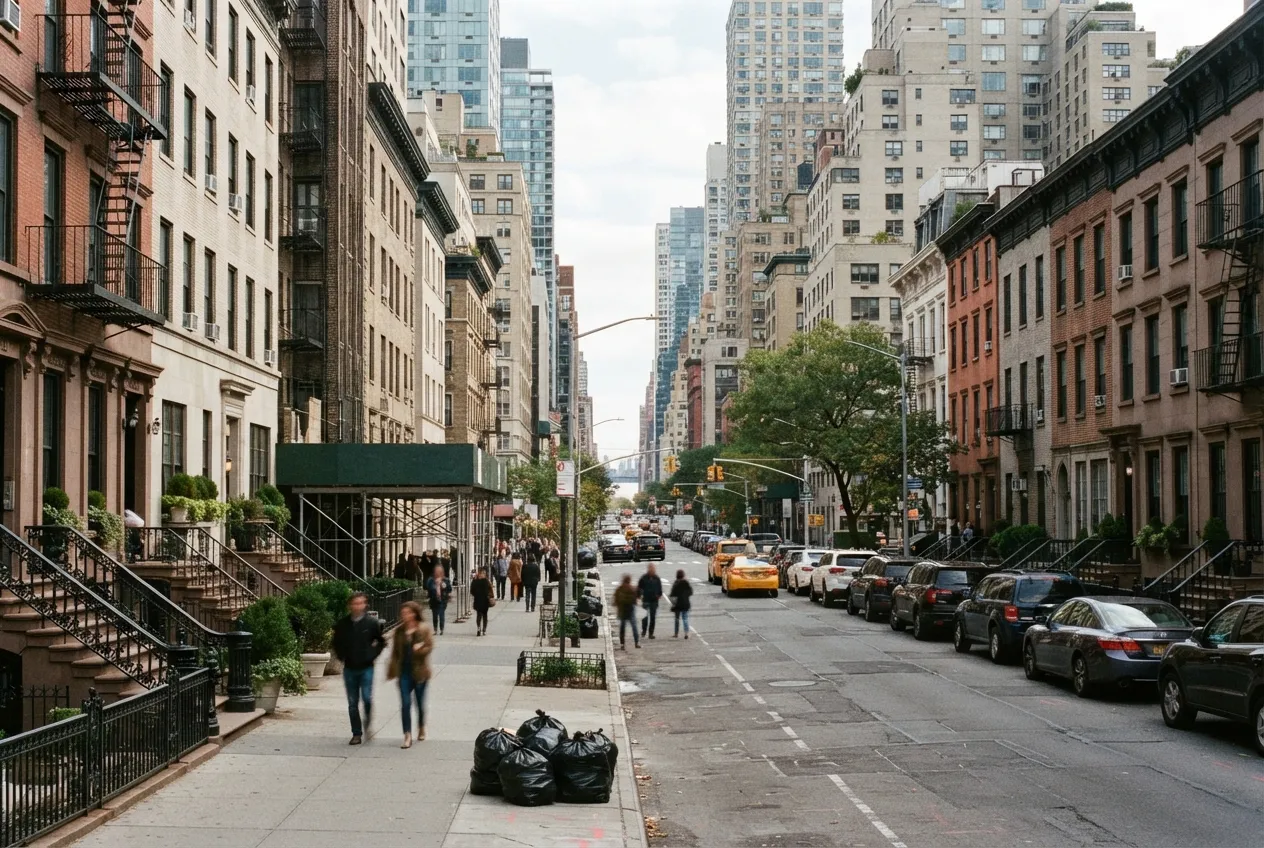
Midtown is known for office towers, but plenty of people live here too: in townhouses and brownstones on the quieter side streets, in pre-war apartment buildings with original fireplaces, and in residential buildings heated by boilers that vent through masonry chimneys. EverFlame Chimney Care sends certified technicians from our Lincoln Square office, about a mile north, to sweep chimneys across Midtown and nearby Times Square, East Midtown, Turtle Bay, Hell's Kitchen and Lincoln Square. This page covers what a sweep involves in Midtown homes and when to schedule one.
Sweeping Chimneys in Midtown Homes and Buildings
Most chimneys we see in Midtown fall into two groups. The first is the wood-burning or decorative fireplace in a townhouse, brownstone or pre-war apartment. Many of these sit on tall, narrow flues that may have been rebuilt or relined over the decades, or not at all. The second is the boiler or heating chimney that serves a whole building and runs from the basement to the roof.
Both kinds need regular cleaning, but the work is planned differently. In an apartment, we confirm access with building management, protect hallway and room finishes, and keep the work contained to your unit. For boiler chimneys, we coordinate with the super or building staff so heating equipment can be shut down safely and roof or basement access is ready when we arrive.
What Happens During a Chimney Sweep
A sweep is more than running a brush up the flue. Our technicians clean the system and look it over while they work, so you know its condition when they leave.
- Covering floors and furniture near the fireplace and using containment to keep soot out of the room
- Brushing the flue, smoke chamber and firebox to remove soot and creosote buildup
- Clearing nests, leaves and other debris that block airflow
- Checking the damper for proper opening and sealing
- Looking at the visible flue liner, crown and cap for cracks, gaps or missing parts
- Explaining what we found, with photos when they help, and noting any repairs worth considering
Timing Your Sweep Around Heat Season
New York City's heat season runs from October 1 through May 31. During that stretch, building owners must keep apartments heated to the city's minimum temperatures. That makes a blocked or damaged boiler chimney an urgent problem in the middle of winter.
For that reason, late spring and summer are the easiest times to schedule a sweep in Midtown. Heating systems can be shut down without affecting tenants, and any repairs we find can be handled before the weather turns. If you use your fireplace often, an early-fall sweep also clears out the previous season's buildup before you light the first fire.
Yearly Inspections and When a Closer Look Is Needed
The NFPA 211 standard calls for chimneys, fireplaces and vents to be inspected once a year. Chimney professionals use three inspection levels. Level 1 is for systems where nothing has changed. Level 2 applies when the system changes, such as a new appliance or a switch of fuel, or when the home is sold. Level 3 is used when a hidden hazard can only be reached by opening part of the chimney or building.
Fuel changes come up often in Midtown buildings. When a New York City building converts its boiler from oil to gas, the chimney has to be evaluated as part of the work. A new liner is often needed because gas exhaust produces acidic condensate that can corrode a masonry flue. If your building is planning a conversion, or has finished one without a chimney evaluation, let us know when you book.
Signs Your Chimney Is Due for a Sweep
Even if you are not sure when your chimney was last cleaned, a few warning signs point to a sweep sooner rather than later.
- Smoke drifts into the room instead of drawing up the chimney
- A strong, smoky or musty odor near the fireplace, especially in humid weather
- Black, flaky or shiny tar-like deposits inside the firebox or flue
- Fires that are hard to start or keep burning
- Animal sounds, nesting material or debris falling into the firebox
- Water stains, rust or crumbling masonry near the fireplace or on the chimney
More services in Midtown
- Chimney Inspection in Midtown
- Chimney Repair in Midtown
- Air Duct Cleaning in Midtown
- Chimney Liner Installation in Midtown