
The short answer
Turtle Bay homes and buildings often need a new chimney liner when an old clay or masonry flue is cracked, the wrong size, or being switched from oil to gas. EverFlame Chimney Care inspects the flue, matches the liner to the appliance and fuel, and installs it so exhaust vents safely through the heating season.
A chimney liner is the protective inner wall of your flue. It keeps heat away from surrounding wood and masonry, carries exhaust safely out of the building, and resists the corrosive byproducts of whatever you burn. In Turtle Bay, many chimneys were built long before today's boilers, water heaters and gas fireplaces. As a result, many flues are unlined, lined with clay tile that has cracked over time, or sized for an appliance that is no longer there. EverFlame Chimney Care installs new liners in brownstones, rowhouses and pre-war apartment buildings throughout the neighborhood. We work from our office in Lincoln Square, about 2 miles north. Our certified technicians inspect the flue first, explain what they found, and then recommend a liner suited to your appliance, your fuel and your building.
Why Turtle Bay Chimneys Often Need Relining
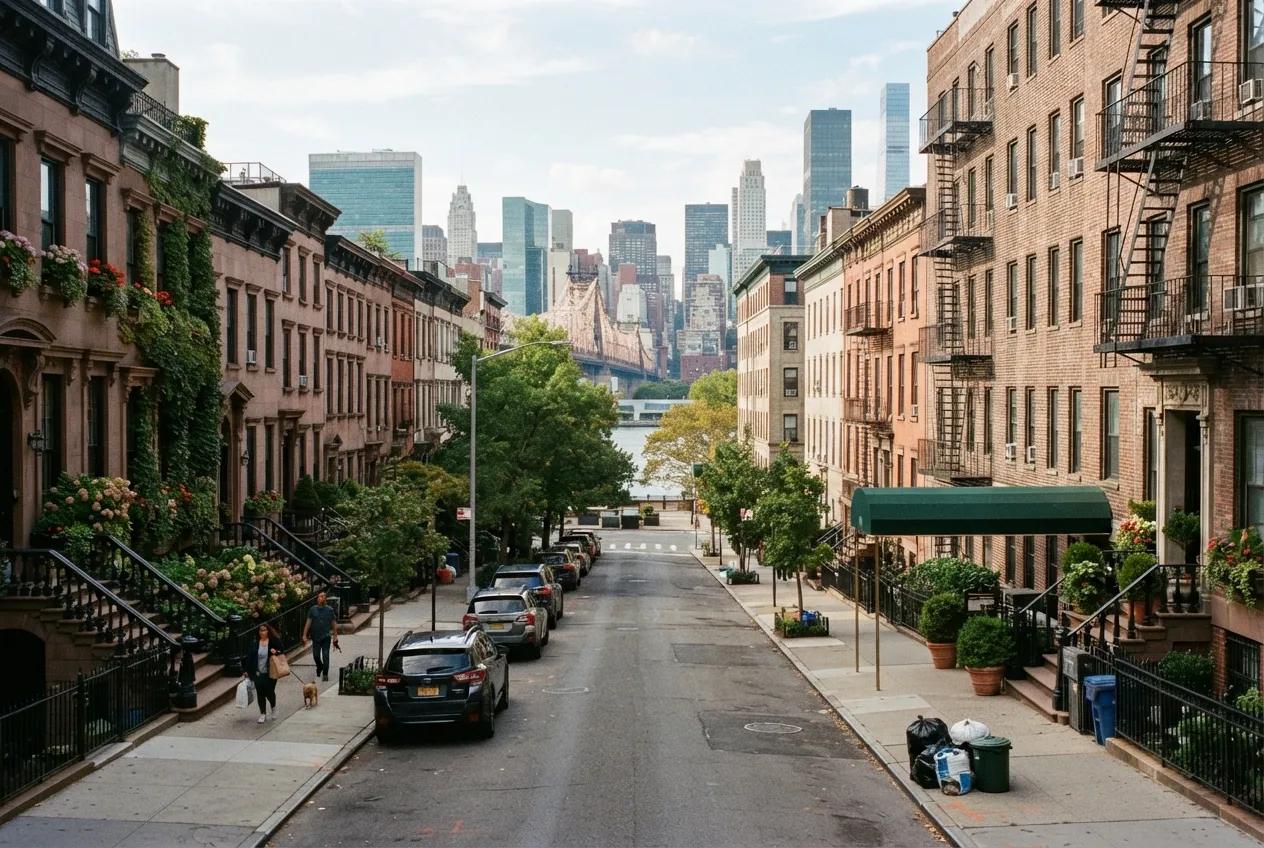
Turtle Bay mixes older townhouses and brownstones with pre-war and mid-century apartment buildings. Many of their chimneys have served several generations of heating equipment, from coal to oil to gas. Each change put different demands on the flue. Clay tile liners can crack from heat stress or settling. Mortar joints can wash out. Some older masonry chimneys were never lined at all.
A damaged or missing liner lets heat reach nearby framing. It can also let exhaust gases, including carbon monoxide, seep into living spaces, and it lets acidic moisture eat into brick and mortar. A flue that is too large for a modern, high-efficiency appliance can cause poor draft and heavy condensation. A new liner restores a sealed, properly sized path for exhaust.
Oil-to-Gas Conversions and New Liners
Many Turtle Bay buildings have converted, or plan to convert, their boilers from oil to gas. When a New York City building makes this switch, the chimney has to be evaluated as part of the work. A new liner is often needed because gas exhaust produces acidic condensate that can corrode a masonry flue that handled oil for decades.
We inspect the existing flue, check its condition and size against the new equipment, and install a liner made for gas venting when one is needed. We coordinate with your heating contractor and building management so the chimney work fits the conversion schedule rather than holding it up.
Liner Options We Install
The right liner depends on the appliance, the fuel, the size and shape of the flue, and the condition of the masonry. After the inspection, we explain which option fits and why.
- Stainless steel liners for gas and oil boilers, water heaters, and many fireplace and stove setups
- Liners sized to match modern high-efficiency equipment, which often needs a smaller flue than the original
- Insulated liner systems where extra heat protection or better draft is needed
- Relining of individual flues in buildings with several flues running through one chimney stack
- Top-end components such as caps and top plates to keep out rain, debris and animals
How Liner Installation Works
Every job starts with an inspection. The NFPA 211 standard calls for chimneys, fireplaces and vents to be inspected once a year, and chimney professionals use three inspection levels. A Level 2 inspection applies when the system changes, such as a new appliance or a fuel switch, or when a home is sold. That makes it the usual starting point for a reline. If a hidden hazard can only be reached by opening part of the chimney or building, a Level 3 inspection may be needed.
Once the flue has been assessed, we clean it, confirm the measurements, and install the liner from the top down. Then we connect it to the appliance and seal the top. Before we leave, we walk you through what was done and share photos or video of the flue when the setup allows it.
Planning Around Heat Season and Building Rules
New York City's heat season runs from October 1 through May 31. During that time, building owners must keep apartments heated to the city's minimum temperatures. Relining the flue that serves a central boiler is easiest to plan outside those months, or with a clear schedule that keeps downtime short. If your Turtle Bay building is a co-op or condo, we can work with the board and managing agent on roof access, notices to residents and timing.
Serving Turtle Bay and Nearby Neighborhoods
We handle chimney liner installation across Turtle Bay, including ZIP codes 10017, 10022, 10152, 10154, 10167, 10169, 10170, 10171, 10172 and 10174. We also serve nearby East Midtown, Midtown, Times Square, Lenox Hill and Roosevelt Island. Whether you own a single townhouse or manage a larger building, contact EverFlame Chimney Care to schedule an inspection and talk through your options.
More services in Turtle Bay
- Chimney Sweep in Turtle Bay
- Chimney Inspection in Turtle Bay
- Chimney Repair in Turtle Bay
- Air Duct Cleaning in Turtle Bay