
The short answer
A chimney sweep removes soot and creosote from the flue and checks the system so you can use your fireplace or heating appliance with less risk. In Turtle Bay, the best time to book is before New York City's heat season starts on October 1, and the NFPA 211 standard calls for an inspection once a year.
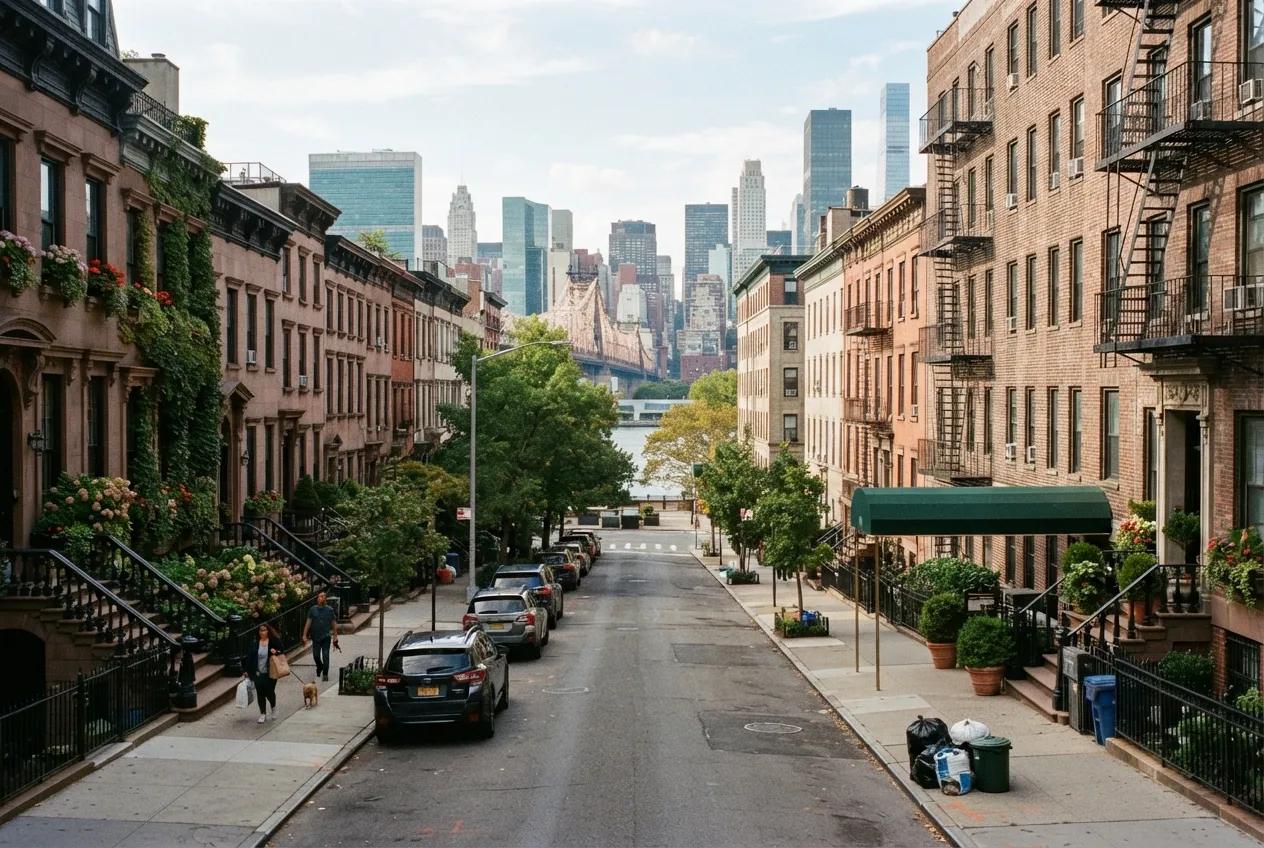
Turtle Bay has a mix of brownstones, rowhouses and pre-war apartment buildings, and many of them still have working fireplaces or flues that serve a boiler. EverFlame Chimney Care sends certified technicians from our Lincoln Square office, about 2 miles north, to sweep and inspect those chimneys. We work across ZIP codes 10017 and 10022 and the surrounding Turtle Bay ZIP codes. This page explains what a sweep includes, when to book one, and what is different about chimneys in this part of Manhattan.
What a Chimney Sweep Covers in Turtle Bay Homes
Most chimneys in Turtle Bay are tall masonry flues that run through several floors. A fireplace in a brownstone parlor may share a chimney stack with flues from other rooms or from the building next door. Pre-war apartment buildings often have a separate flue for the boiler, and some units still have a decorative or working fireplace.
A sweep removes the buildup that forms inside these flues. When wood burns, it leaves creosote, a tar-like residue that can catch fire. Gas and oil appliances leave soot and scale. Birds and debris can also block the flue, which pushes smoke and exhaust back into the home. Cleaning restores the draft and gives the technician a clear view of the flue walls.
When to Schedule a Sweep
The NFPA 211 standard calls for chimneys, fireplaces and vents to be inspected once a year. A sweep and inspection usually happen in the same visit, so a yearly appointment covers both.
New York City's heat season runs from October 1 through May 31. Building owners must keep apartments heated to the city's minimums during that time, so boiler flues need to be ready before October. For fireplaces, late summer and early fall are the easiest times to book, before you plan to light the first fire.
- You notice a strong smoky or tar smell, especially in humid weather
- Smoke drifts into the room instead of rising up the flue
- You see black flakes or debris in the firebox
- You hear animals or birds in the chimney
- You just bought the home and do not know when it was last cleaned
What Happens During the Visit
Our technicians protect the floor and furniture around the fireplace before starting. Apartments and brownstone interiors often have finished floors and tight spaces, so we set up drop cloths and use a vacuum system to keep soot contained.
Next, we brush the flue from top to bottom, clean the smoke chamber and firebox, and check the damper. We look for cracked flue tiles, damaged mortar, loose bricks and missing caps. When the work is done, you get a written summary of what we found and what we recommend.
Brownstones, Rowhouses and Building Flues
Older Turtle Bay townhouses often have several fireplaces. Some were sealed years ago, and some were converted to gas logs. Before reopening a fireplace that has not been used in a long time, it needs a full cleaning and inspection. Under the inspection levels chimney professionals use, a change like adding a new appliance or switching fuel calls for a Level 2 inspection.
Many Manhattan buildings have converted their boilers from oil to gas. When that happens in New York City, the chimney has to be evaluated as part of the work. A new liner is often needed because gas exhaust creates acidic condensate that can corrode a masonry flue. If your building converted and the flue has not been checked since, a sweep and inspection can show whether the liner is in good shape.
Getting Ready for Your Appointment
Do not use the fireplace for at least a day before the visit so the ashes can cool. Clear a path from the door to the fireplace or boiler room. In co-ops and condos, let your building staff know the date, since we may need roof access or a service elevator.
We serve Turtle Bay and the nearby neighborhoods of East Midtown, Midtown, Times Square, Lenox Hill and Roosevelt Island.
More services in Turtle Bay
- Chimney Inspection in Turtle Bay
- Chimney Repair in Turtle Bay
- Air Duct Cleaning in Turtle Bay
- Chimney Liner Installation in Turtle Bay