
The short answer
Under the NFPA 211 standard, chimneys, fireplaces and vents should be inspected once a year, and an Upper West Side home is no exception. Most homes need a Level 1 inspection, while a home sale, a new appliance or a fuel change calls for a Level 2. A Level 3 inspection is needed only when a hidden hazard has to be reached by opening part of the chimney or building.
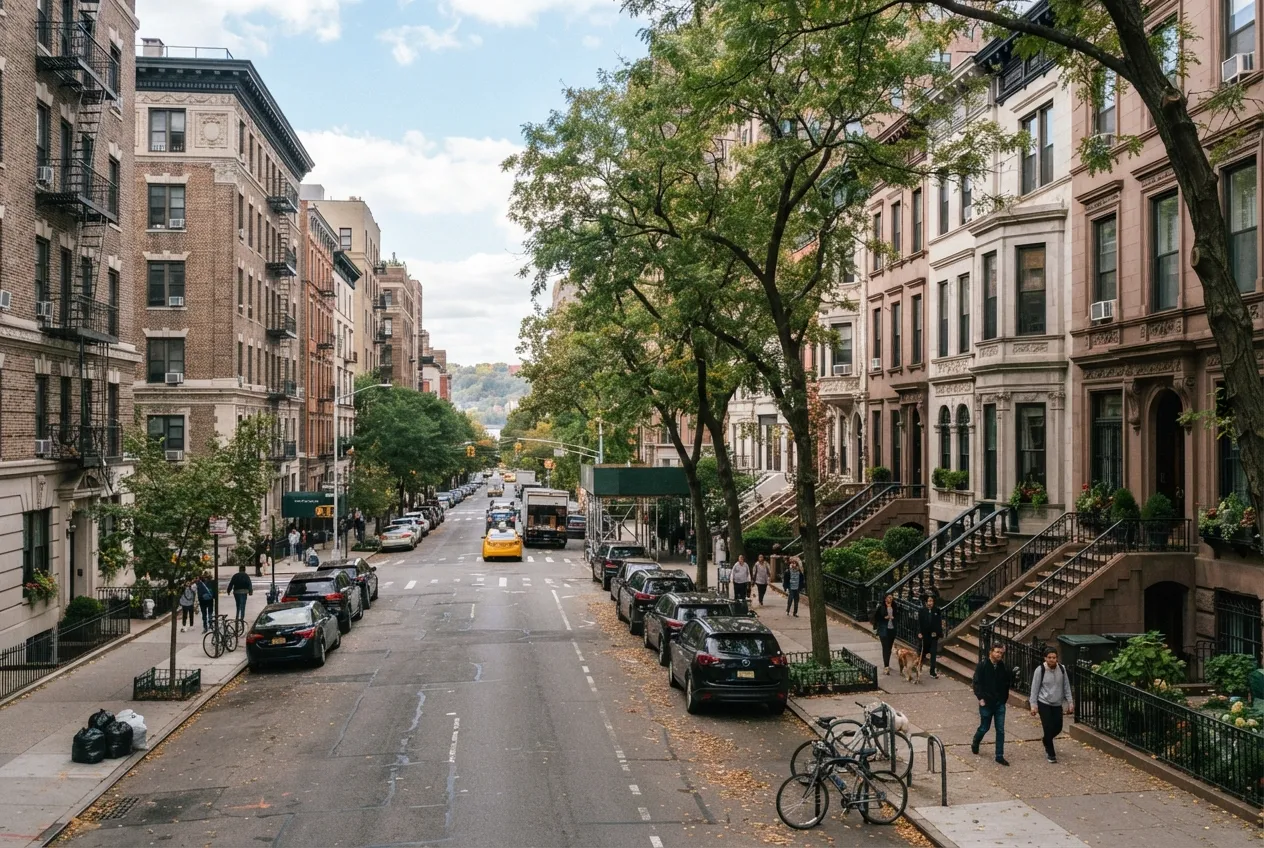
Upper West Side homes put a lot of demand on their chimneys. Brownstones and rowhouses often keep their original masonry fireplaces, some townhouses have been converted and renovated several times, and pre-war apartment buildings rely on tall flues to vent boilers through the long heating season. EverFlame Chimney Care inspects chimneys, fireplaces and vents across ZIP codes 10023, 10024, 10025 and 10069, coming from our office in Lincoln Square, about a mile to the south. Our certified technicians look at the whole venting system, explain what they find in plain terms, and tell you clearly what needs attention now and what can wait.
Why Yearly Inspections Matter in Upper West Side Homes
The NFPA 211 standard calls for chimneys, fireplaces and vents to be inspected once a year. That applies whether you light a fire every weekend or have not used the fireplace in years. Many older brownstone fireplaces sit idle for long stretches, and an unused flue can collect debris, nesting material and moisture damage that you won't see from the hearth.
Timing matters in Manhattan. New York City's heat season runs from October 1 through May 31, when building owners must keep apartments heated to the city's minimum temperatures. If your chimney vents a boiler or furnace, scheduling the inspection before October gives you time to handle repairs before the system has to run every day.
Choosing the Right Inspection Level
Chimney professionals use three inspection levels. We recommend the level that fits your home's situation, and if a lower-level inspection turns up something that needs a closer look, we explain why before going further.
- Level 1: For chimneys where nothing has changed since the last inspection. We check the readily accessible parts of the chimney, the fireplace or appliance connection, and look for blockages and combustible deposits.
- Level 2: Required when the system changes, such as a new appliance, a new insert or a switch of fuel, and when the home is sold. This includes a closer review of the flue, often with a camera, plus accessible areas such as attics and basements.
- Level 3: Used when a hidden hazard has to be reached by opening part of the chimney or the building. This is uncommon and is recommended only when a Level 1 or Level 2 inspection points to a concealed problem.
What We Check in Brownstones and Rowhouses
Attached masonry homes have their own weak points. Chimneys often share party walls with neighbors, and decades of freeze-thaw cycles, past renovations and roof work can leave damage that is easy to miss. During the inspection we pay attention to:
- The chimney crown, cap and flashing, where water most often gets in
- Mortar joints and brickwork above the roofline
- The flue liner, checking for cracks, gaps and missing sections
- The smoke chamber, damper and firebox
- Creosote buildup and blockages from debris or animals
- Signs of water staining or heat damage on nearby walls and ceilings
Pre-War Buildings and Oil-to-Gas Conversions
Many pre-war apartment buildings on the Upper West Side vent their boilers through large masonry chimneys. When a New York City building converts its boiler from oil to gas, the chimney has to be evaluated as part of the work. A new liner is often needed because gas exhaust produces acidic condensate that can corrode a masonry flue.
If your building is planning a conversion, or has already converted and the flue has not been checked since, an inspection can show whether the liner is suitable for the new fuel and whether existing masonry shows signs of deterioration. We document our findings so owners and managers can plan the next steps.
What to Expect From Your Inspection
Before we arrive, let the fire die out at least a day ahead and clear space around the fireplace or appliance. In apartment buildings, let the super or building manager know so we can reach the roof and any mechanical rooms.
Our technicians protect floors and furnishings while they work. Afterward, we walk you through what we found, share photos or camera footage where helpful, and give you a written summary. If cleaning or repairs are needed, we explain the options and leave the decision to you.
More services in Upper West Side
- Chimney Sweep in Upper West Side
- Chimney Repair in Upper West Side
- Air Duct Cleaning in Upper West Side
- Chimney Liner Installation in Upper West Side