
The short answer
Yorkville chimneys should be inspected once a year, as the NFPA 211 standard calls for, and ideally before the heat season starts on October 1. The level of inspection depends on whether anything has changed, such as a new boiler, a switch from oil to gas, or a home sale.
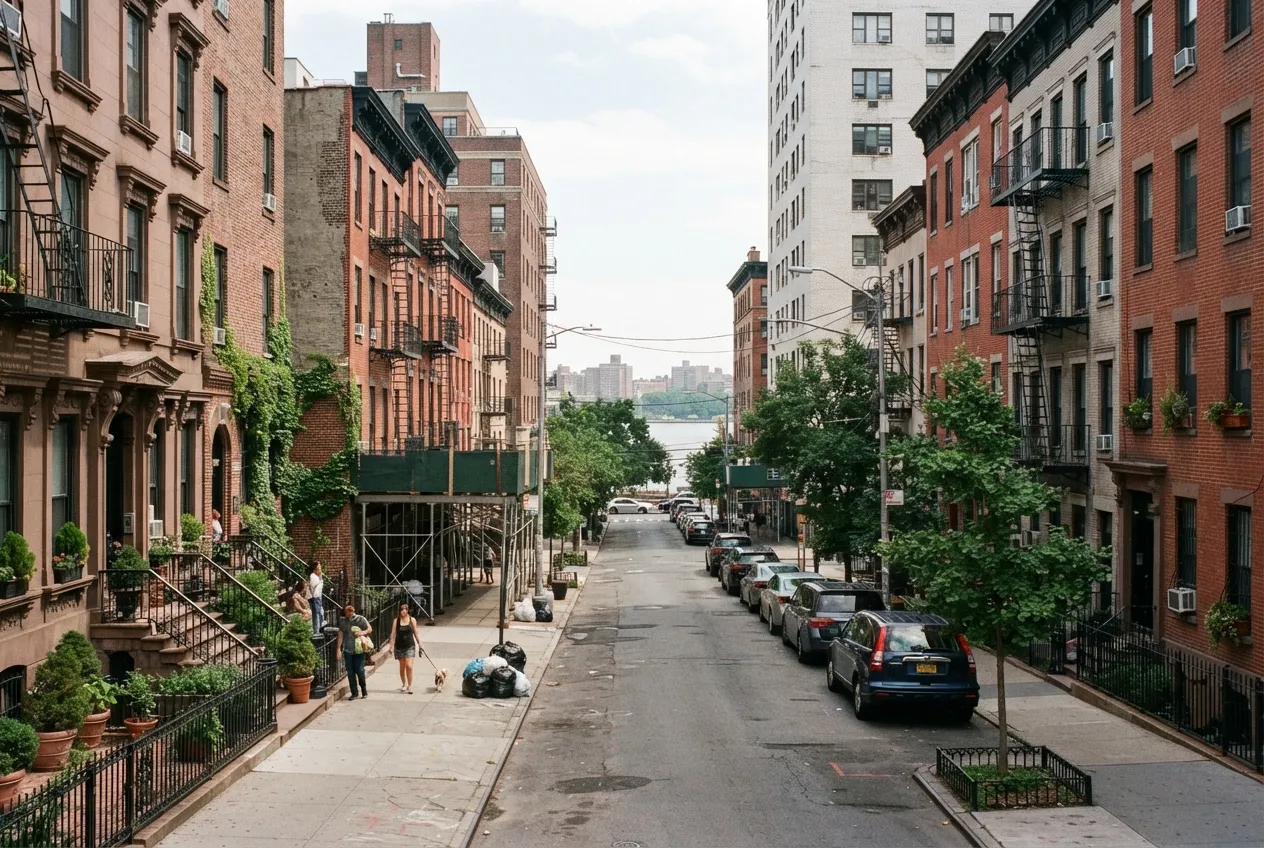
Yorkville sits on Manhattan's East Side, in ZIP codes 10028 and 10128. Its mix of rowhouses, brownstones, pre-war apartment buildings and newer towers means chimneys here range from a single wood-burning fireplace flue to a boiler flue serving dozens of apartments. EverFlame Chimney Care inspects both kinds of system from our office in Lincoln Square, about 2 miles west. Our certified technicians check what is venting through the chimney, how the flue is holding up, and whether it still suits the appliance connected to it today.
Why yearly inspections matter on the East Side
The NFPA 211 standard calls for chimneys, fireplaces and vents to be inspected once a year. In a neighborhood with this many older masonry chimneys, that yearly check is how small problems get found early. Cracked flue tiles, loose mortar and blockages from debris or nesting animals are much easier to fix before they become larger repairs.
Timing matters in New York City. The city's heat season runs from October 1 through May 31, and building owners must keep apartments heated to the city's minimum temperatures for that whole stretch. If the boiler chimney has a problem in January, the fix happens under pressure. An inspection in late summer or early fall gives you time to plan any repairs before the heat comes on.
Choosing the right inspection level
Chimney professionals use three levels of inspection. The right one for your home depends on what has changed since the last time the chimney was checked.
- Level 1: for a chimney that is in regular use and hasn't changed. We examine the readily accessible parts of the chimney, the flue and the connected appliance.
- Level 2: when the system changes, such as a new boiler, water heater or fireplace insert, a switch from oil to gas, or when the home is being sold. Includes a camera inspection of the flue's interior.
- Level 3: when a hidden hazard has to be reached by opening part of the chimney or the building. This is reserved for cases where the earlier levels point to a problem behind masonry or finished walls.
Oil-to-gas conversions and chimney liners
Many Yorkville buildings have moved, or are planning to move, their boilers from oil to gas. When a New York City building makes that conversion, the chimney has to be evaluated as part of the work. A new liner is often needed because gas exhaust produces acidic condensate that can corrode a masonry flue that was built for oil.
We inspect the flue's interior, its size relative to the new appliance, and the condition of the masonry. That way the owner, board or contractor knows whether the existing flue can stay or a liner belongs in the conversion plan.
What we check in townhouses and brownstones
Rowhouses and brownstones often have several flues running side by side through shared or party walls. Some of those flues are no longer in use, and some fireplaces have been closed off or reopened over the years. We confirm which flue serves which fireplace or appliance and look at how each one is performing.
- Firebox, damper and smoke chamber condition
- Creosote and soot buildup inside the flue
- Cracked, missing or misaligned flue tiles
- Crown, cap and mortar joints at the roofline
- Flashing where the chimney meets the roof
- Signs of water entry, such as staining or efflorescence
Inspections for pre-war apartment buildings and co-ops
Larger buildings bring practical details we plan around. These include roof access, coordinating with the superintendent or managing agent, and inspecting a boiler flue that may run many stories. We look at the breeching and connector at the boiler as well as the chimney itself.
After the inspection we walk the owner, board or manager through what we found and share photos where we can, so decisions about repairs or liners rest on clear information.
Planning your Yorkville inspection
Before your appointment, it helps to know roughly when the chimney was last inspected or cleaned. Tell us about any recent changes, such as a new appliance, a fuel switch or renovation work. For apartment buildings, arrange roof and boiler room access ahead of time.
Besides Yorkville, we provide chimney inspections on the Upper East Side, Carnegie Hill, Lenox Hill, Roosevelt Island and the Upper West Side.
More services in Yorkville
- Chimney Sweep in Yorkville
- Chimney Repair in Yorkville
- Air Duct Cleaning in Yorkville
- Chimney Liner Installation in Yorkville