
The short answer
A Yorkville chimney usually needs a new liner when the existing clay flue is cracked or missing, when a boiler converts from oil to gas, or when a new appliance is connected. We inspect the flue first, then size and install a liner that matches the appliance and fuel so exhaust leaves the building safely.
Many Yorkville homes and buildings still vent their fireplaces, boilers and water heaters through masonry chimneys built long before today's appliances existed. Over decades, clay tile flues crack, mortar joints wash out, and exhaust from modern equipment can wear down a flue that was never designed for it. A properly sized chimney liner gives smoke and combustion gases a sealed, continuous path out of the building and protects the masonry around it. EverFlame Chimney Care installs liners in brownstones, rowhouses and pre-war apartment buildings across ZIP codes 10028 and 10128. Our office in Lincoln Square is about 2 miles west, so getting a certified technician to your chimney is straightforward.
Why Older Yorkville Chimneys Often Need Relining
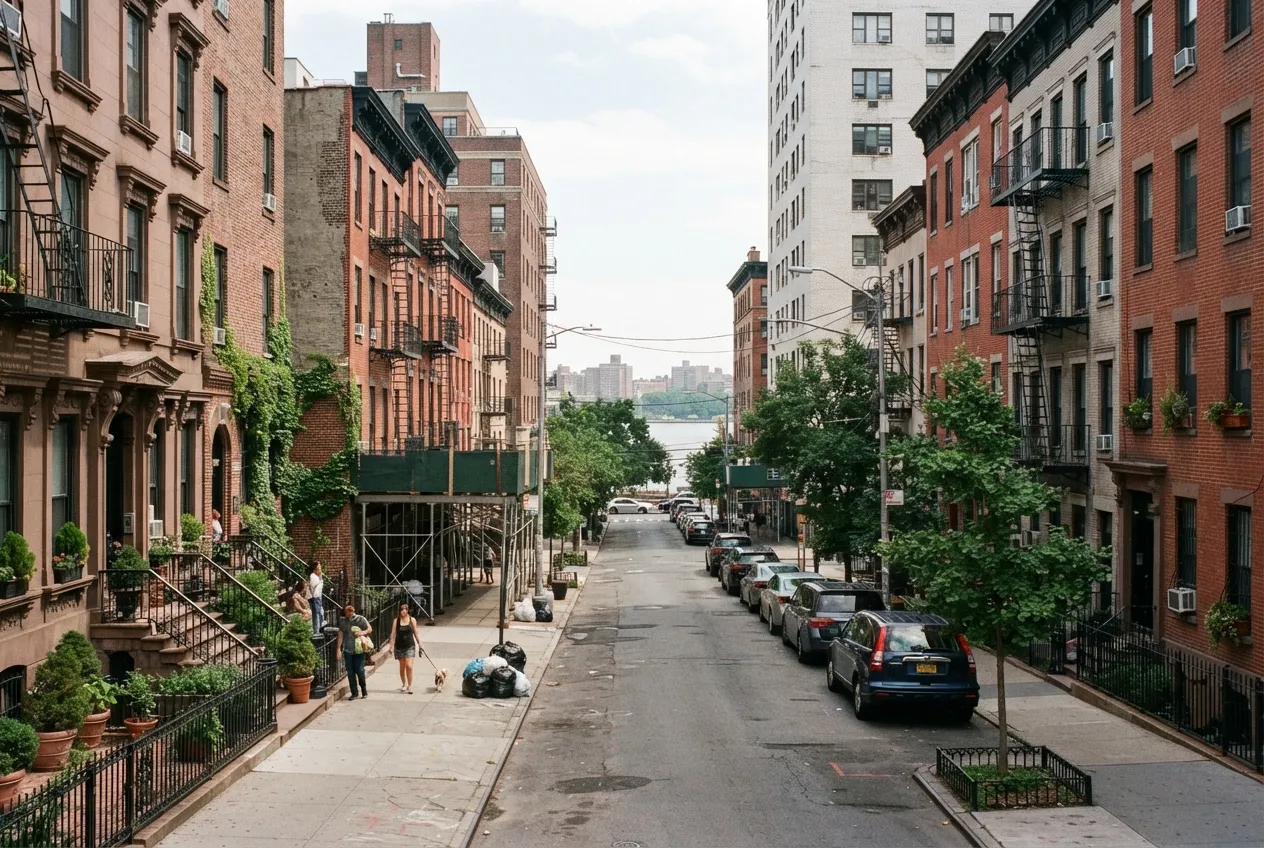
Much of Yorkville's housing is made up of brownstones, rowhouses and pre-war apartment buildings. Their chimneys are typically brick with clay tile flue sections, or in some cases no tile lining at all. Years of heat cycles, freeze-thaw weather and settling can open cracks between tiles or break them outright.
A damaged flue lets heat, smoke and gases reach the surrounding brick and wood framing, and in shared walls it can affect a neighboring unit. A liner restores a sealed path from the appliance to the top of the chimney. It also helps the chimney draft properly, so exhaust moves up and out instead of lingering or backing into living space.
Oil-to-Gas Boiler Conversions
Many Yorkville buildings have moved, or are planning to move, from heating oil to gas. When a New York City building converts its boiler from oil to gas, the chimney has to be evaluated as part of the work. A new liner is often needed because gas exhaust produces acidic condensate that can corrode a masonry flue.
An oil-era flue is also frequently larger than a gas appliance needs. An oversized flue can let exhaust cool too quickly, which adds to condensation and weak draft. We look at the new boiler's venting requirements and the condition of the existing flue, then recommend a liner sized for the new equipment. We can coordinate with your heating contractor so the chimney work fits into the conversion schedule.
How We Choose the Right Liner
There is no single liner that suits every chimney. Before recommending anything, we inspect the flue and confirm what will be venting through it. The NFPA 211 standard describes a Level 2 inspection when a system changes, such as a new appliance or a switch of fuel, and that is usually our starting point for a relining job.
- Appliance and fuel: wood-burning fireplaces, gas boilers, oil boilers and water heaters each have different venting needs.
- Flue size: the liner is sized to the appliance so the chimney drafts well and condensation is kept in check.
- Chimney shape and condition: offsets, tight bends and damaged tile affect which liner materials can be used.
- Shared chimneys: in buildings where several flues run side by side, we confirm which flue serves which appliance before any work begins.
What Installation Involves
Most relining work is done from the roof and at the appliance connection, which limits disruption inside the home. We clean the existing flue, remove loose or broken tile as needed, and lower the new liner into place. The liner is then connected at the bottom to the appliance or thimble and finished at the top with a proper termination and cap to keep out rain, debris and animals.
When the work is complete, we check the connections and confirm the system drafts as it should. We also walk you through what was done and point out anything else we noticed, such as crown cracks or loose masonry, so you can plan for it.
Timing Around Heat Season
New York City's heat season runs from October 1 through May 31, when building owners must keep apartments heated to the city's minimum temperatures. If your boiler vents through the chimney being relined, it makes sense to schedule the work in late spring or summer, before heat is required.
If a problem turns up during the heating months, we will explain your options and help you plan the work to keep the downtime as short as possible. We serve Yorkville along with the Upper East Side, Carnegie Hill, Lenox Hill, Roosevelt Island and the Upper West Side.
More services in Yorkville
- Chimney Sweep in Yorkville
- Chimney Inspection in Yorkville
- Chimney Repair in Yorkville
- Air Duct Cleaning in Yorkville