
The short answer
The NFPA 211 standard calls for chimneys, fireplaces and vents to be inspected once a year, and that applies to Roosevelt Island apartments and buildings like anywhere else. Most homes need a routine Level 1 inspection. A Level 2 inspection is called for after an appliance or fuel change or when a unit is sold, such as during an oil-to-gas boiler conversion.
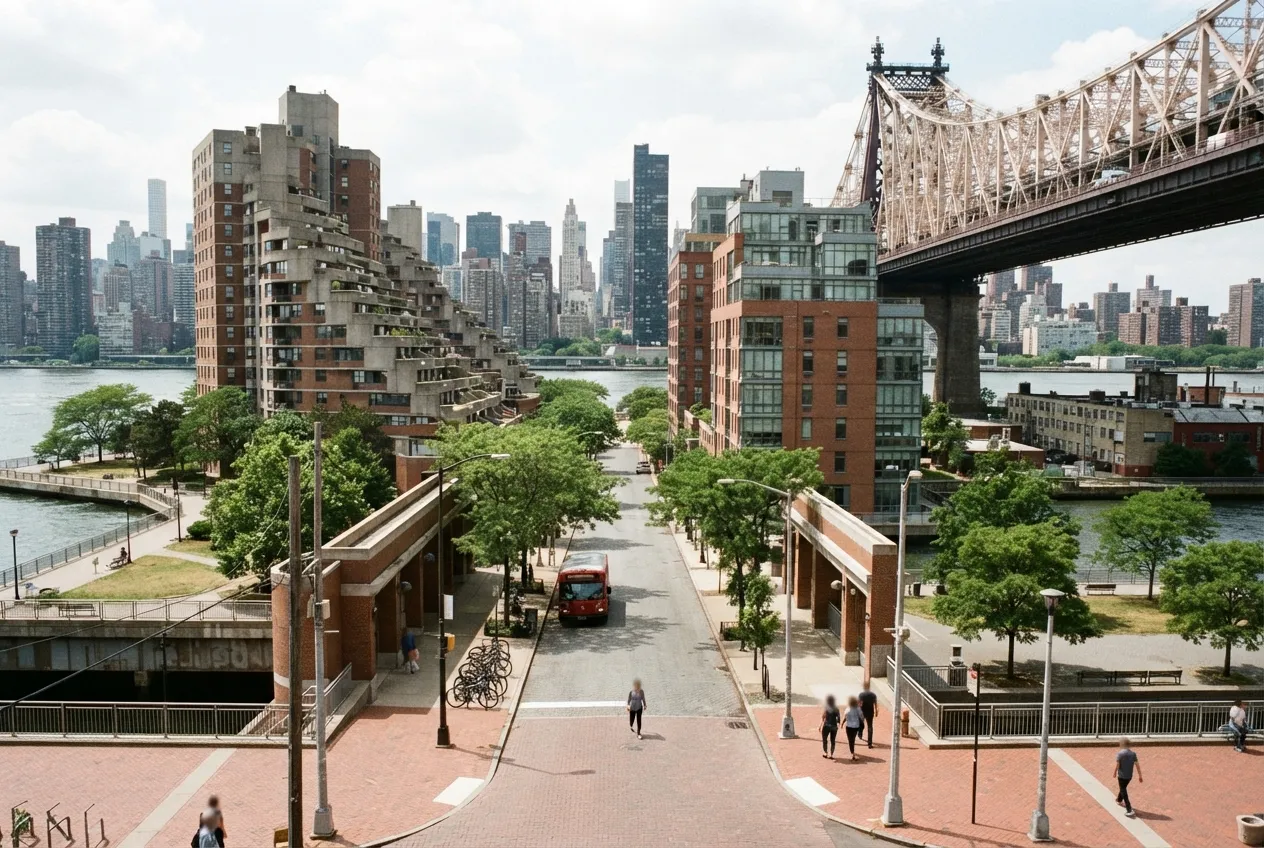
Roosevelt Island homes are mostly apartments in mid-rise and high-rise buildings, with a mix of rentals, co-ops and condos. Many residents never think about a chimney until a fireplace stops drawing or a building begins a boiler project. Every unit fireplace, gas appliance vent and shared boiler flue still needs a regular check. EverFlame Chimney Care sends certified technicians from our Lincoln Square office, about a mile away, to inspect chimneys and flues for unit owners, renters with landlord approval, and building managers in the 10044 area and nearby ZIP codes.
Why Yearly Inspections Matter in Island Apartment Buildings
In a multi-unit building, a single chimney problem rarely stays in one apartment. A cracked flue liner, a blocked vent or a loose connection can let smoke or carbon monoxide move into neighboring units or common areas. A yearly inspection finds these issues while they are still small and easier to fix.
Timing matters too. New York City's heat season runs from October 1 through May 31, and owners must keep apartments heated to the city's minimum temperatures during that time. Boiler flues work hardest in those months. Inspecting before October gives building staff time to schedule repairs before the heat has to stay on. If you use a fireplace in your unit, a late-summer or early-fall inspection means it is ready when cold weather arrives.
Which Inspection Level Do You Need?
Chimney professionals use three inspection levels. We will tell you which one fits your situation before we start, and we will explain why if we recommend moving to a higher level.
- Level 1: For chimneys and vents that have not changed since the last inspection. We check the accessible parts of the fireplace, flue, chimney exterior and connections to confirm the system is sound and free of blockages and buildup.
- Level 2: Needed when something changes, such as a new appliance or a switch from oil to gas, or when a home is sold. This includes everything in Level 1 plus a closer look at areas that are harder to reach, often with a camera run through the flue.
- Level 3: Used only when a hidden hazard has to be reached by opening part of the chimney or building. We recommend this only when earlier inspections point to a problem that cannot be checked any other way.
Oil-to-Gas Conversions and Flue Liners
Many New York City buildings have moved, or plan to move, their boilers from oil to gas. When a building converts, the chimney has to be evaluated as part of the work. Gas exhaust produces acidic condensate that can corrode a masonry flue over time, so a new liner is often needed.
If your building's board or management is planning a conversion, an inspection early in the process helps everyone understand the flue's condition before decisions are made. We can document what we find so engineers, contractors and building staff have clear information about the chimney's current state and what it may need.
What Our Technicians Check
Every inspection follows the same careful approach, whether we are looking at a single fireplace in a co-op unit or a shared flue serving an entire building. Here is what we look at:
- Flue liner condition, including cracks, gaps, spalling and corrosion
- Creosote and soot buildup in wood-burning fireplaces
- Blockages from debris, nesting animals or fallen masonry
- Damper operation and smoke chamber condition
- Firebox, hearth and clearances to nearby materials
- Appliance connections and vent pipes for gas equipment
- Chimney exterior, crown and cap where they can be safely reached
Scheduling Inspections on Roosevelt Island and Nearby
Because most island homes are in managed buildings, we coordinate with superintendents and management offices on access to roofs, boiler rooms and units. If you are a unit owner or renter, let us know who manages your building and we can help arrange the visit. After the inspection, you get a plain-language explanation of what we found and which issues, if any, need attention.
We also inspect chimneys in Lenox Hill, the Upper East Side, Carnegie Hill, Yorkville and East Midtown. Those neighborhoods add brownstones, rowhouses and pre-war apartment buildings to the mix, and the same yearly inspection guidance applies.
More services in Roosevelt Island
- Chimney Sweep in Roosevelt Island
- Chimney Repair in Roosevelt Island
- Air Duct Cleaning in Roosevelt Island
- Chimney Liner Installation in Roosevelt Island