
The short answer
A Roosevelt Island chimney usually needs a new liner when the existing one is cracked or deteriorated, or when a boiler converts from oil to gas. Gas exhaust produces acidic condensate that can corrode a masonry flue. EverFlame inspects the flue first, then installs a liner sized for your appliance and fuel.
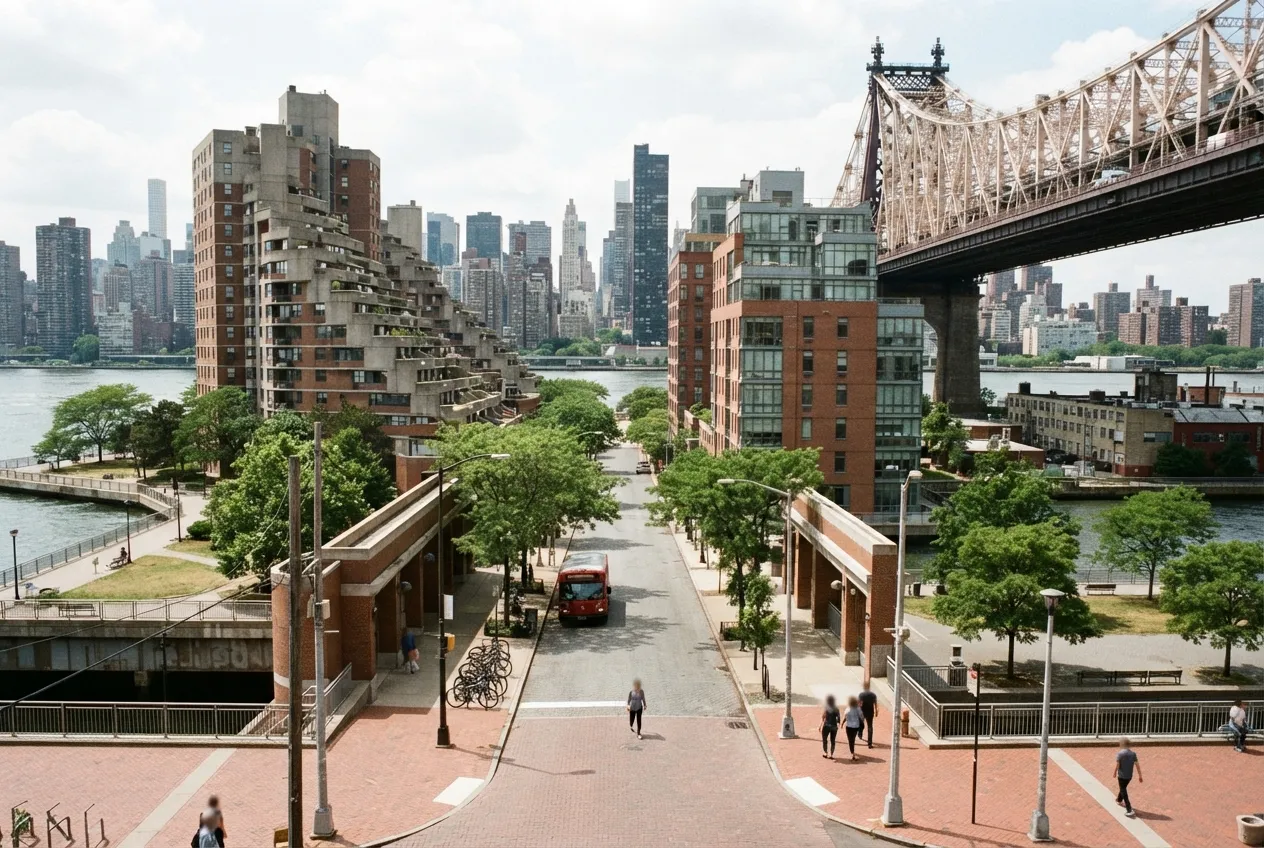
On Roosevelt Island, most homes are apartments in mid-rise and high-rise buildings, and many share a central boiler that vents through a tall masonry chimney. That chimney's liner keeps hot, acidic exhaust inside the flue and away from the brick, mortar and the apartments around it. When a liner is cracked, missing or wrong for the fuel being burned, the fix is a new one, sized and installed for the appliance it serves. EverFlame Chimney Care installs chimney liners for buildings and homes on Roosevelt Island from our office in Lincoln Square, about a mile away across Manhattan. Our certified technicians inspect the flue, explain what they found and recommend a liner that fits your building's heating system.
Why Roosevelt Island buildings need relining
Most chimneys here serve heating equipment, not wood fireplaces. A building's boiler may run for months at a time, and the flue above it takes steady heat, moisture and combustion byproducts. Over the years, clay tile liners can crack, mortar joints can wash out and older unlined sections can let exhaust reach masonry it was never meant to touch.
The most common trigger is a fuel change. When a New York City building converts its boiler from oil to gas, the chimney has to be evaluated as part of the work. A new liner is often needed because gas exhaust produces acidic condensate that can corrode a masonry flue. A flue that handled oil for decades may not be the right size or material for a modern gas boiler.
- Cracked, spalling or missing clay tile sections found during an inspection
- An oil-to-gas boiler conversion or a new, higher-efficiency appliance
- Flaking masonry, white staining or moisture damage near the chimney
- Draft problems, such as exhaust spilling back into a boiler room
Start with the right inspection
The NFPA 211 standard calls for chimneys, fireplaces and vents to be inspected once a year. Chimney professionals use three inspection levels. Level 1 applies when nothing has changed. Level 2 applies when the system changes, for example a new appliance or a switch of fuel, or when the home is sold. Level 3 applies when a hidden hazard has to be reached by opening part of the chimney or building.
Before we recommend a liner, we inspect the flue at the level the situation calls for. For a fuel conversion or a new boiler, that usually means a Level 2 inspection, including a camera look down the full length of the flue. You get a plain explanation of the flue's condition and what a new liner would involve.
Liner options we install
The right liner depends on the appliance, the fuel and the shape and condition of the existing flue. We size the liner to the appliance so it drafts properly and does not leave room for condensation to collect where it shouldn't.
- Stainless steel liners, rigid or flexible, which suit most gas and oil boilers and water heaters
- Insulated stainless liners for tall or exterior chimneys that cool quickly and form more condensate
- Cast-in-place liners for flues that need structural support or have an irregular shape
- Clay tile replacement for wood-burning fireplaces where the existing system allows it
How installation works in an apartment building
Relining a tall building flue takes coordination. We work with building management or the superintendent on roof access, boiler room access and timing. Most liners go in from the roof, and we connect them at the base to the appliance with the proper fittings and a cap at the top to keep out rain and debris.
Timing matters in New York City. The heat season runs from October 1 through May 31, and during that period building owners must keep apartments heated to the city's minimum temperatures. When possible, we plan relining work, especially work tied to a boiler conversion, outside heat season or in a short, scheduled shutdown so residents are not left without heat.
Serving Roosevelt Island and nearby neighborhoods
We install chimney liners across Roosevelt Island, in the 10044 ZIP code, and in the surrounding Manhattan areas covered by 10021, 10065, 10075 and 10162. Our technicians also work in Lenox Hill, the Upper East Side, Carnegie Hill, Yorkville and East Midtown, where pre-war apartment buildings, brownstones and rowhouses have their own chimney and boiler flue needs.
More services in Roosevelt Island
- Chimney Sweep in Roosevelt Island
- Chimney Inspection in Roosevelt Island
- Chimney Repair in Roosevelt Island
- Air Duct Cleaning in Roosevelt Island