
The short answer
The NFPA 211 standard calls for chimneys, fireplaces and vents to be inspected once a year, and Upper East Side homes are no exception. Most homes need a Level 1 inspection. A Level 2 is needed after a fuel switch, a new appliance or a sale, and a Level 3 only when a hidden problem has to be reached by opening part of the structure.
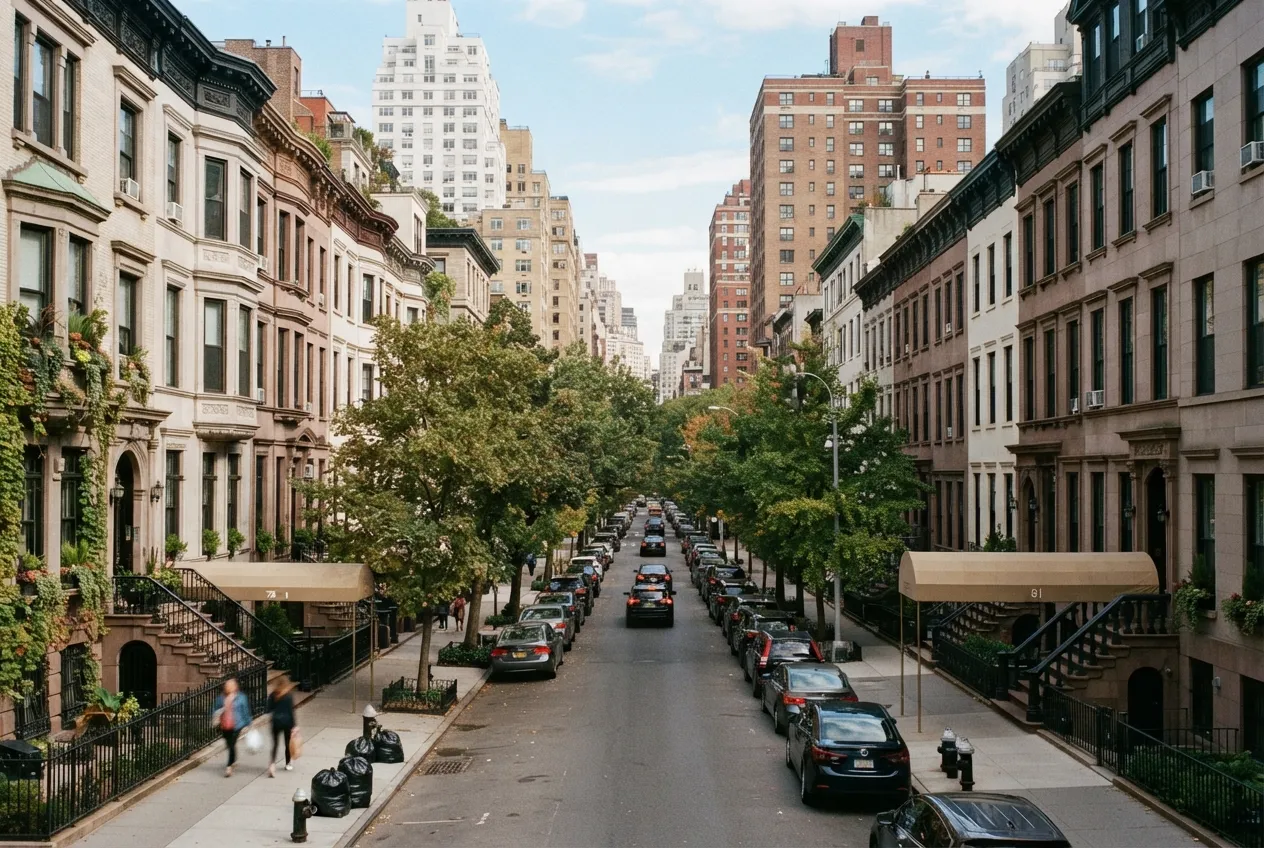
Many Upper East Side homes still rely on chimneys built generations ago. Brownstones and townhouses often have several fireplaces stacked on one masonry chimney, and pre-war apartment buildings may have working fireplaces in individual units plus a large flue serving the boiler. EverFlame Chimney Care inspects these systems for homeowners, co-op and condo owners, and building managers across the neighborhood. Our office in Lincoln Square is about a mile away, so we can schedule visits in ZIP codes 10021, 10028, 10044, 10065, 10075, 10128 and 10162, as well as nearby Carnegie Hill, Lenox Hill, Roosevelt Island, Yorkville and East Midtown. Our certified technicians tell you what condition your chimney is in, what needs attention, and what can wait.
Why older Upper East Side chimneys need a yearly look
Masonry chimneys in older Manhattan buildings take years of heat, freeze-thaw cycles and moisture. Mortar joints wear, clay flue tiles crack, and crowns at the top of the chimney break down. Much of this damage is hard to see from inside the room, which is why a yearly inspection matters even if the fireplace seems to work fine.
Townhouses and brownstones often have several flues running side by side in one chimney mass. Each flue should be checked on its own, because a crack in one can let smoke or gases into another flue or into a wall cavity. In apartment buildings, a fireplace that has sat unused for years may have debris, nesting material or a damper that no longer seals.
Choosing the right inspection level
Chimney professionals use three inspection levels, and we recommend the one that fits your situation instead of defaulting to the most involved option.
- Level 1: For a chimney you use the same way as last year, with no changes. We check the readily accessible parts of the chimney, the fireplace or appliance, and the connections for soundness, blockages and buildup.
- Level 2: When something changes, such as a new insert or appliance, a switch of fuel, or the sale of the home. This adds a closer look at accessible areas like attics and crawl spaces, usually with a camera inspection of the flue's interior.
- Level 3: Only when a serious hidden hazard is suspected and reaching it means opening part of the chimney or building. We explain why before anything is removed.
Boiler chimneys and oil-to-gas conversions
Many buildings on the Upper East Side have moved, or are planning to move, their boilers from oil to gas. When a New York City building converts its boiler from oil to gas, the chimney has to be evaluated as part of the work. A new liner is often needed, because gas exhaust produces acidic condensate that can corrode an unlined or poorly lined masonry flue over time.
If your building or townhouse is planning a conversion, an inspection beforehand helps you and your heating contractor understand the flue's condition and whether relining should be part of the project.
Timing around heat season
New York City's heat season runs from October 1 through May 31, when building owners must keep apartments heated to the city's minimum temperatures. For buildings that depend on a boiler flue, finding a chimney problem in the middle of winter can complicate keeping the heat on. Scheduling inspections in late spring or summer gives you time to plan any repairs before October.
For fireplace owners, early fall is also a practical time. You find out whether the fireplace is ready before the first cold night, not after.
What you get after the visit
After the inspection we walk you through what we found in plain terms. We separate safety problems that should be fixed before the next fire from routine maintenance and from items to watch. Where it helps, we share photos or camera footage of the flue interior so you can see the issue yourself. If you are a co-op or condo owner, this information can also be useful when you talk with your building's management about shared chimney components.
More services in Upper East Side
- Chimney Sweep in Upper East Side
- Chimney Repair in Upper East Side
- Air Duct Cleaning in Upper East Side
- Chimney Liner Installation in Upper East Side