
The short answer
Upper East Side homes and buildings usually need a new chimney liner when the old one is cracked or deteriorated, when a new appliance is installed, or when a boiler is converted from oil to gas. EverFlame's certified technicians inspect the flue, size a liner to the appliance, and install it.
A chimney liner is the protective channel inside your flue that carries smoke and exhaust gases out of the house. On the Upper East Side, many chimneys were built long before today's appliances existed, and their original clay tiles or bare masonry may be cracked, worn, or the wrong size for the fireplace, boiler, or furnace now connected to them. EverFlame Chimney Care installs new liners in brownstones, townhouses, rowhouses, and pre-war and post-war apartment buildings across the neighborhood. Our office in Lincoln Square is about a mile away.
Why Upper East Side Chimneys Often Need New Liners
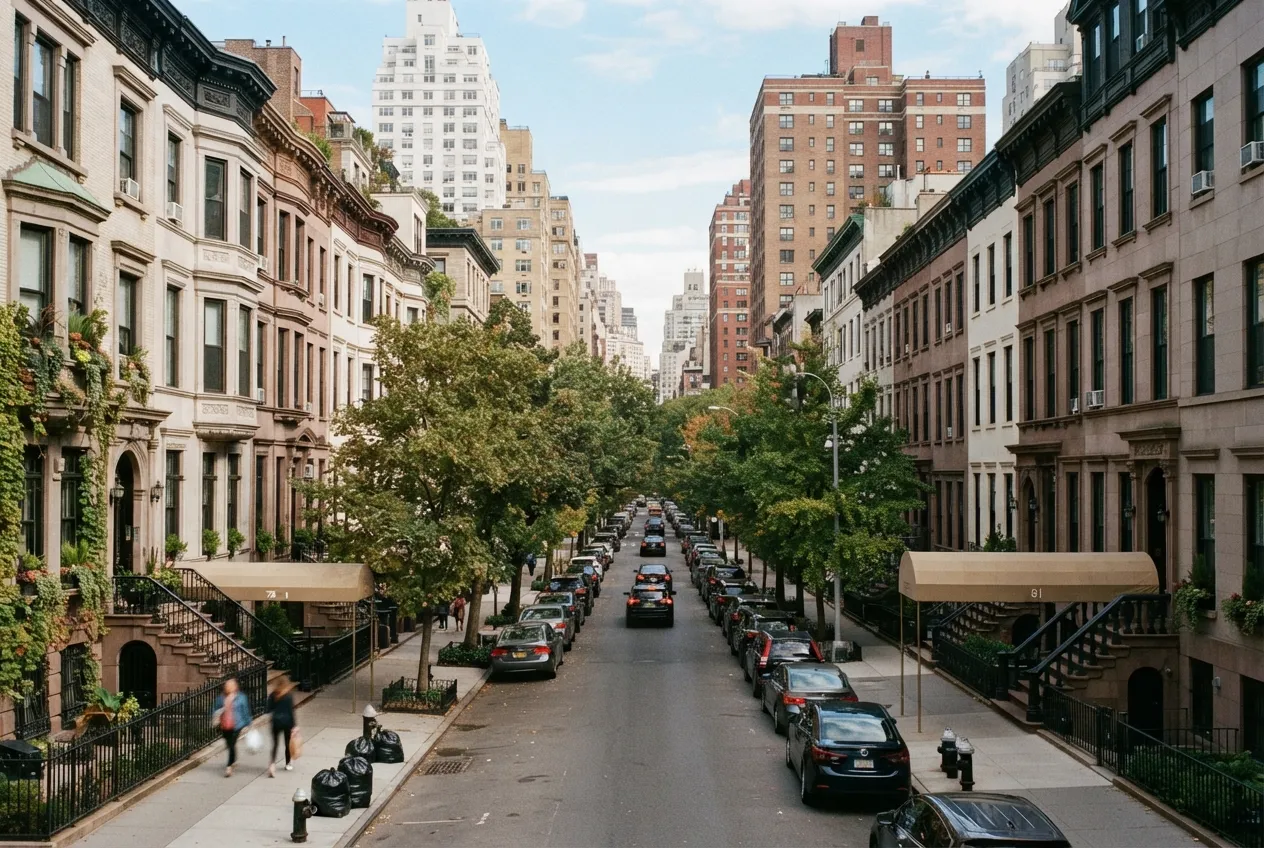
Most of the neighborhood's housing stock is older masonry construction. Brownstones and townhouses often have several flues running through shared party walls, and pre-war apartment buildings typically vent a central boiler through a tall masonry chimney. Decades of heat, moisture, and freeze-thaw cycles break down clay tiles and mortar joints. Once that happens, heat and exhaust can reach the surrounding brick and wood framing.
The most common reasons we install liners in the area are:
- Cracked, missing, or shifted clay flue tiles found during an inspection
- A boiler converted from oil to gas
- A new furnace, boiler, water heater, or insert that needs a different flue size
- An unlined masonry flue in an older brownstone or townhouse
- Damage after a chimney fire or long-term water leaks
Oil-to-Gas Conversions in Manhattan Buildings
Many Upper East Side co-ops, condos, and smaller apartment buildings have moved their boilers from oil to gas. When a New York City building makes this conversion, the chimney has to be evaluated as part of the work. A new liner is often needed because gas exhaust produces acidic condensate that can corrode a masonry flue that handled oil exhaust for years without trouble.
We evaluate the existing flue, confirm the size and type of liner the new boiler needs, and coordinate with the building's management and heating contractor so the chimney work fits into the overall conversion schedule.
How We Install a Chimney Liner
Every job starts with an inspection. The NFPA 211 standard calls for chimneys, fireplaces, and vents to be inspected once a year. It also describes a more detailed Level 2 inspection when the system changes, such as a new appliance or a switch of fuel, or when a home is sold. If a hidden problem has to be reached by opening part of the chimney or building, a Level 3 inspection may be needed.
After the inspection, we follow these steps:
- Measure the flue's height, shape, and offsets, and match the liner size to the connected appliance
- Recommend a liner type that suits the fuel, such as stainless steel for most wood and gas appliances or a poured lining where the masonry needs reinforcing
- Clean the flue and remove debris or broken tile that would block the new liner
- Install the liner, along with any insulation, connections, and a top plate and cap
- Check draft and connections, then walk you through what we did
Planning Around Building Rules and Heat Season
Liner work on the Upper East Side often involves more than the chimney itself. Co-op and condo boards may require advance approval, contractor paperwork, and set work hours. Roof access may go through building staff, and materials may have to come up a service elevator. We plan these details with you and your building before work begins.
Timing also matters. New York City's heat season runs from October 1 through May 31, and during that period building owners must keep apartments heated to the city's minimum temperatures. For a central boiler flue, we recommend scheduling liner work in late spring or summer when possible. If a liner fails during the winter, we work with the building to keep heat interruptions as short as we can.
Neighborhoods and ZIP Codes We Serve
We install chimney liners throughout the Upper East Side, including ZIP codes 10021, 10028, 10044, 10065, 10075, 10128, and 10162. We also work in the nearby neighborhoods of Carnegie Hill, Lenox Hill, Yorkville, Roosevelt Island, and East Midtown. Whether you own a single-family townhouse or manage a multi-unit building, we can inspect your flue and tell you plainly whether a new liner is needed.
More services in Upper East Side
- Chimney Sweep in Upper East Side
- Chimney Inspection in Upper East Side
- Chimney Repair in Upper East Side
- Air Duct Cleaning in Upper East Side