
The short answer
You need a new chimney liner when the existing flue is cracked or deteriorated, or when it no longer matches the appliance it vents. The most common case in New York City is a boiler conversion from oil to gas. EverFlame Chimney Care inspects the flue, recommends the right liner, and installs it in East Midtown homes and buildings.
A chimney liner is the protective channel inside your flue. It keeps heat, smoke and exhaust gases away from the surrounding brick and woodwork. In East Midtown, many chimneys serve pre-war apartment buildings, co-ops and townhouses with masonry flues that were built for a different era of heating. When a liner is cracked, missing, or the wrong type for the appliance it serves, it should be replaced. EverFlame Chimney Care installs chimney liners for homeowners, boards and building managers throughout East Midtown, from our office in Lincoln Square about 2 miles north.
Why East Midtown Chimneys Often Need New Liners
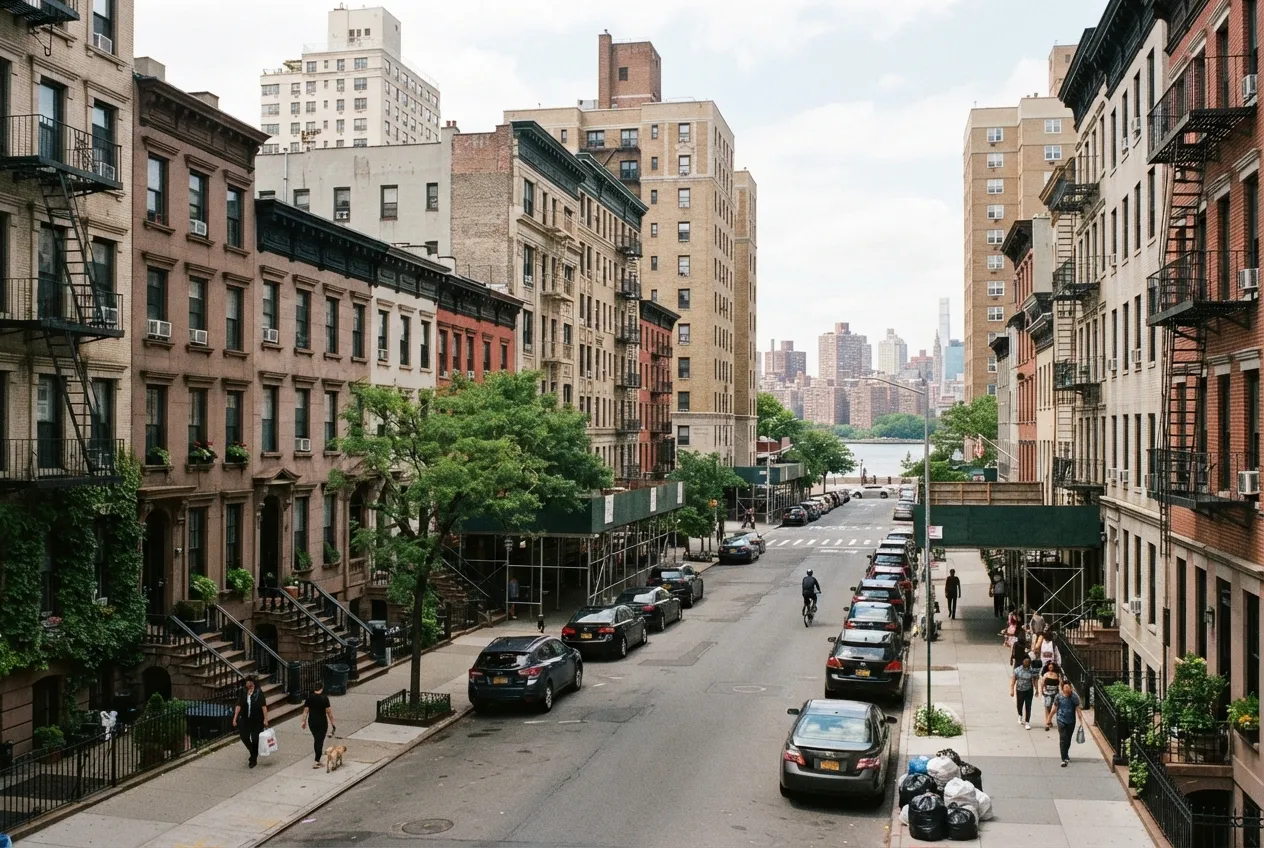
Much of East Midtown's housing is older masonry construction: pre-war apartment buildings, converted townhouses, and brownstones along the quieter side streets. Many of these chimneys were lined with clay tile, or not lined at all. Decades of heating cycles, freeze-thaw weather and building settlement can crack tiles and erode mortar joints. Gaps like these let heat and exhaust reach materials they were never meant to touch.
Heating equipment has also changed over time. A flue sized for a large oil burner or an old coal boiler may be much too big for a modern, efficient appliance. An oversized flue lets exhaust cool too quickly, which can cause poor draft and condensation. A properly sized liner corrects that.
Oil-to-Gas Conversions and Your Chimney
When a New York City building converts its boiler from oil to gas, the chimney has to be evaluated as part of the work. A new liner is often needed. Gas exhaust produces acidic condensate, and over time that condensate can corrode a masonry flue from the inside.
If your building is planning a conversion, bring us in early. We inspect the existing flue, confirm whether it can safely serve the new equipment, and coordinate the liner installation so it fits the boiler contractor's schedule. Most of the heat season, which runs from October 1 through May 31, falls during New York's colder months. Scheduling liner work outside that window helps avoid interrupting heat to residents.
Signs Your Liner May Need Replacement
Some liner problems are visible, but many are hidden inside the flue. These are common warning signs:
- Pieces of clay tile or flaky masonry collecting at the base of the chimney or in the cleanout
- White staining (efflorescence) or damp patches on chimney walls inside the home
- Poor draft, smoke spillage, or exhaust odors near a fireplace or boiler
- A recent change of fuel or a new heating appliance
- Inspection findings of cracked, offset or missing flue tiles
How We Install a Chimney Liner
Every job starts with an inspection. The NFPA 211 standard calls for a Level 2 inspection when the system changes, such as a new appliance or a switch of fuel, or when the home is sold. We use a camera to look at the full length of the flue and measure it so the new liner is sized correctly for the appliance.
Next we recommend the right liner for your situation. Stainless steel liners are common for gas and oil appliances and for wood-burning fireplaces. Cast-in-place liners can be a good fit for some older masonry chimneys. Our certified technicians then clean the flue, install the liner and any needed insulation, connect it to the appliance, and fit a proper cap at the top.
In apartment buildings and co-ops, we work with the super or managing agent on roof access, building rules and work hours. We also keep work areas protected inside the home.
Areas We Serve Around East Midtown
We install chimney liners across East Midtown, including ZIP codes 10017, 10022, 10152, 10154, 10167, 10169, 10170, 10171, 10172 and 10174. We also serve nearby Turtle Bay, Midtown, Times Square, Lenox Hill and Roosevelt Island. Because we are based in Lincoln Square, East Midtown is a short trip for our crews.
More services in East Midtown
- Chimney Sweep in East Midtown
- Chimney Inspection in East Midtown
- Chimney Repair in East Midtown
- Air Duct Cleaning in East Midtown