
The short answer
EverFlame Chimney Care repairs masonry, crowns, caps, dampers, and flue liners for East Midtown townhouses and pre-war buildings. Every repair starts with an inspection that shows what is actually failing. When a building converts from oil to gas, we also evaluate the chimney and install new liners.
Chimney damage in East Midtown usually starts out of sight: on a roof several stories up, inside a flue that has carried boiler exhaust for decades, or behind a fireplace that only gets used a few times each winter. EverFlame Chimney Care repairs chimneys for townhouses, brownstones, and pre-war apartment and co-op buildings across ZIP codes 10017 and 10022 and the surrounding area. Our certified technicians come from our office in Lincoln Square, about two miles north. We find the cause of the problem, explain what needs fixing and why, and do the repair without turning your home into a construction site.
Common Chimney Repairs in East Midtown Buildings
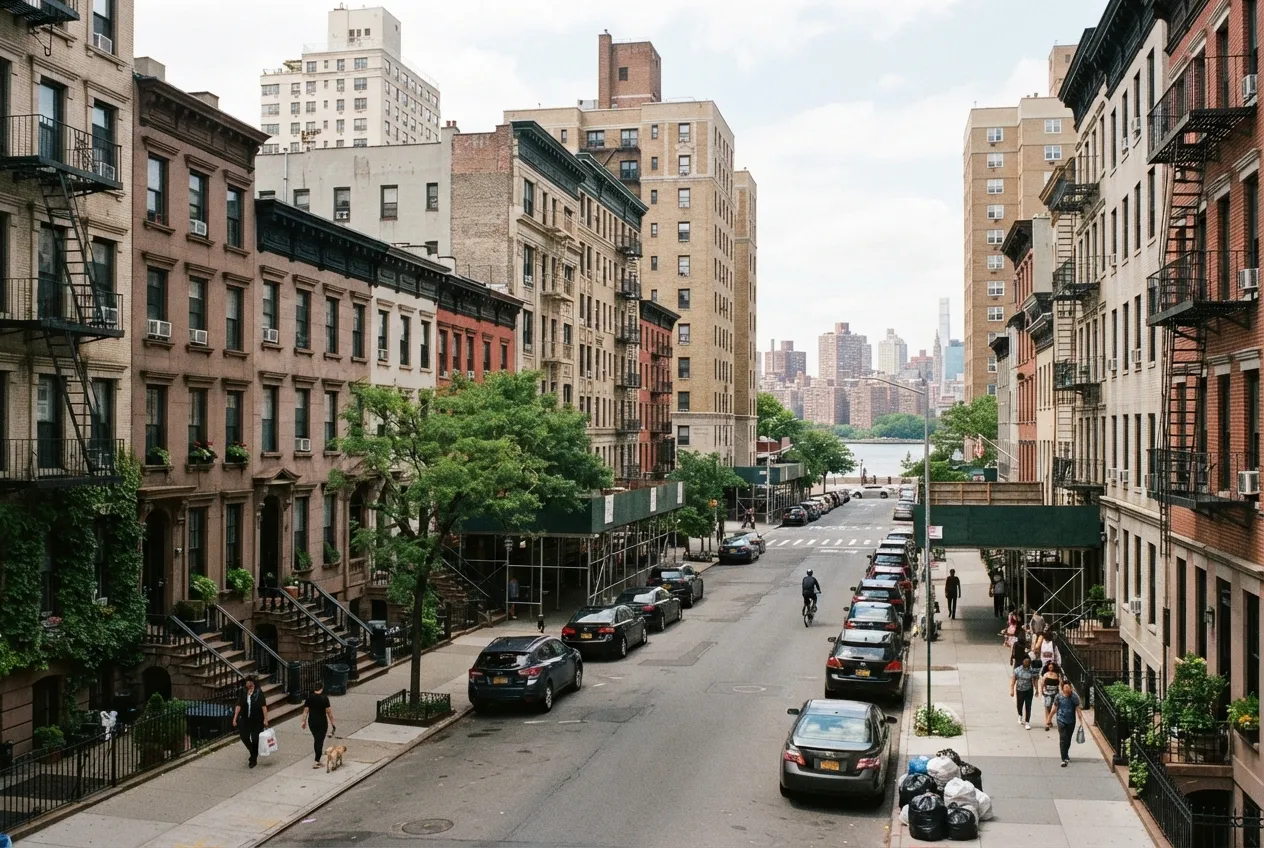
Most homes in East Midtown are older masonry buildings. Many townhouses and brownstones have shared or party-wall chimneys, and pre-war apartment buildings often vent a central boiler through a tall brick flue. Years of freeze-thaw cycles, wind exposure at roof level, and acidic exhaust wear these systems down in predictable ways.
These are the repairs we handle most often:
- Repointing cracked or missing mortar joints on chimney stacks
- Rebuilding crowns that have cracked and let water into the masonry
- Replacing or installing chimney caps to keep out rain, debris, and birds
- Repairing or replacing fireplace dampers that no longer seal
- Relining deteriorated clay or masonry flues with new liners
- Fixing flashing where the chimney meets the roof to stop leaks into ceilings and walls
We Inspect Before We Repair
A water stain on a top-floor ceiling or a smoky fireplace can come from several different failures. Guessing wastes money, so we look first. The NFPA 211 standard calls for chimneys, fireplaces, and vents to be inspected once a year, and it describes three levels of inspection.
A Level 1 inspection covers the accessible parts of a system when nothing has changed. A Level 2 inspection applies when something does change, such as a new appliance, a switch of fuel, or the sale of the home, and it usually includes a camera inspection of the flue. A Level 3 inspection is reserved for cases where a suspected hidden hazard can only be reached by opening part of the chimney or the building. We tell you which level your situation calls for and show you what we found before recommending any repair.
Oil-to-Gas Conversions and Chimney Liners
Many East Midtown buildings have moved or are moving their boilers from oil to gas. When a New York City building makes that switch, the chimney has to be evaluated as part of the work. A new liner is often needed because gas exhaust produces acidic condensate that can corrode a masonry flue from the inside.
We assess the existing flue, recommend a liner sized for the new equipment, and install it so the boiler vents properly. If you manage a co-op or condo building, or own a townhouse with its own boiler, plan the chimney work alongside the conversion rather than after it.
Timing Repairs Around the Heat Season
New York City's heat season runs from October 1 through May 31. During those months, building owners must keep apartments heated to the city's minimum temperatures. A boiler chimney that fails in January can leave a building scrambling. Late spring and summer are the easiest times to reline a flue or rebuild a stack, because the heating system can be shut down without affecting residents.
For fireplace chimneys in townhouses and brownstones, getting repairs done before fall means the fireplace is ready when you want to use it.
What to Expect on a Repair Visit
In apartment buildings, we coordinate with your building's management or super for roof access, elevator use, and any scheduling rules the building sets. Inside your home, we protect floors and furnishings around the fireplace and contain soot and masonry dust.
After the work is done, we walk you through what was repaired, share photos of areas you can't easily see, such as the crown or the inside of the flue, and note anything worth watching at your next annual inspection. We also serve nearby Turtle Bay, Midtown, Times Square, Lenox Hill, and Roosevelt Island.
More services in East Midtown
- Chimney Sweep in East Midtown
- Chimney Inspection in East Midtown
- Air Duct Cleaning in East Midtown
- Chimney Liner Installation in East Midtown